A grower recently contacted me wondering how he could explain to customers why there are so few apples on the trees this year. Obviously, those of us in the fruit industry understand all too well the damaging effects spring frosts can have, but to those outside our industry it can be a bit of a mystery. Here’s my explanation of what’s going on – perhaps this will be helpful to you in explaining this to your customers.
Why are there so few apples this year?
Many people are noticing that some apple trees don’t have many apples on them this year. While there can be many causes of this, the most common is spring frosts. Before we get into how exactly this works, let’s take a step back.
The world of biology can be roughly divided into plants and animals. Of course there are many differences. Most plants are green and most animals are not. But also when animals find themselves in in an unfavorable environment (too hot, too cold, too wet, too dry, too windy, you get the picture) they are usually able to move to a more favorable environment. This might be as simple as a dog lying down in the shade to avoid the sun or birds migrating thousands of miles. But plants generally don’t have this option. So they have to tolerate the environment they’re in, and they have developed different ways to do this.
So coming back to our apple trees, we all know they go dormant in the winter. Well it turns out that a dormant apple tree can withstand very cold conditions (-25F or below) without any damage at all. But as the tree starts to grow in the spring it loses a lot of that cold hardiness. When the flowers emerge in the spring, sure the trees look beautiful, but this is the time when the tree and the flowers are most sensitive to the cold. As the apple buds develop and start to open, they become more cold sensitive. So in the chart below (Figure 1) showing apple development in the spring, the early stages (stages 1-4) are quite resistant to the cold so a frost at this time is unlikely to cause much damage. But as the flowers start to open, the damage caused by a frost increases. So temperatures of just a few degrees below freezing when flowers are open (Stage 7) can damage the parts of the flower that are necessary for successful pollination, fertilization and fruit set. Figure 2 shows frost damage to an apple flower. The cold temperatures have severely damaged the female parts of the flower (stigma, style and ovary) so successful pollination and fruit set is no longer possible.
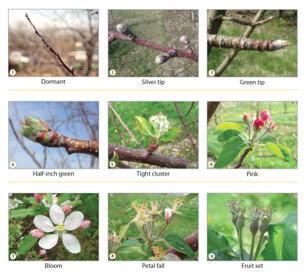
Figure 1. Apple developmental stages in the spring
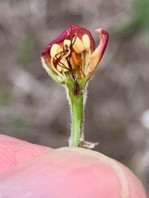
Figure 2. Frost damage to an apple flower in the spring.
So, when you see apple trees with very few apples, now you have a greater understanding of what likely caused this problem.