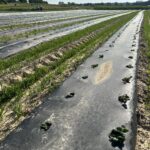
Both plug plants and bare-root plants can be used to establish plasticulture strawberries. Regardless of the type of planting material used, however, proper planting depth is critical. Planting too deep or too shallow can result in poor establishment or even plant death. I have observed both problems during recent farm visits. Planting Strawberry Plugs Too Deep…Read more about Planting Strawberries at the Right Depth[Read More]
Found 896 Articles
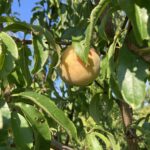
Our fruit crops are on the cusp of maturity at the tail end of this incredibly wet season. Many have failed, and will have no fruit to bear. However, we expect a good harvest from the Goldrush apples! In the past two weeks, our monitoring traps in the orchard have caught 1 dogwood borer (Synanthedon…Read more about Crop Conditions[Read More]
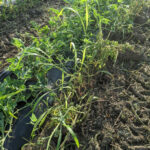
About a third of the farmer phone calls and texts I receive as a weed science Extension specialist center around a lack of weed control in vegetable crops. The lines, “what went wrong?” and “what do I do now?” generally follow. As the summer starts to give way to fall, now is a good time…Read more about Take a moment to assess your 2026 weed control- Part 1 (Rainfall):[Read More]
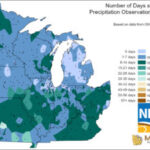
According to the Midwestern Regional Climate Center’s “Number of Days since last Precipitation Observation” tool, there is an increasing area of Indiana that has not had at least a tenth of an inch (number of days since precipitation tool provides maps for the Midwest region with precipitation threshold amounts of ≥ 0.01”, 0.10”, 0.25”, 0.50,…Read more about Lack of rain may bring drought[Read More]
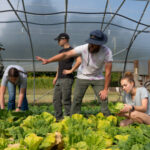
Preparing for a third-party food safety audit can be challenging for produce growers, particularly when navigating audit requirements, understanding the audit scope, and determining which documentation and practices need to be in place. To help growers better understand the process, Safe Produce Indiana, using the Purdue Student Farm as an example, has developed a four-part…Read more about Understanding the USDA Harmonized GAP Third-Party Audit: A farmer’s journey[Read More]
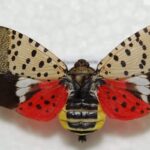
The spotted lanternfly (Lycorma delicatula) was first identified in Indiana in July 2021 in Switzerland County. Since then, populations have been spreading rapidly across the state (Figure 1). This is the time of the year that the insects are in their most recognizable adult state (Figure 2). Early detection is crucial to stop the spread. …Read more about Be on the lookout for Spotted Lanternfly[Read More]
PRESS RELEASE – July 22, 2026. On September 10-11, the inaugural Great Lakes Tek Flex will be held at the Michigan State University Southwest Michigan Research and Extension Center (MSU SWMREC) in Benton Harbor, MI. Vendor/Sponsor Update: We are excited to announce that we now have a total of sixteen (18) companies representing over twenty (20)…Read more about First Annual TEK FLEX – September 10-12, Benton Harbor, MI[Read More]
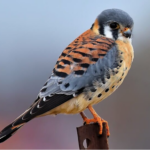
Farming With Feathers: Utilizing Free Pest Control Through Sustainable Growing Techniques Sarah E. Grimes Beneficial birds and insects can provide powerful benefits for farmers. A single bluebird can consume over 2,000 insects per day, while many pollinators simultaneously support crop production. Yet across America’s farmlands, these natural allies are often overlooked in favor of intensive…Read more about Farming With Feathers: Utilizing Free Pest Control Through Sustainable Growing Techniques[Read More]
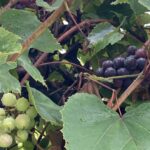
In the past two weeks, our monitoring traps in the orchard have caught 2 dogwood borer (Synanthedon scitula) individuals, 16 coddling moth (Cydia pomonella) individuals, and 0 oriental fruit moth (Grapholita molesta) individuals. We have received 7” of rain in the past 7 days. Fruit rots have claimed all of the Honeycrisp fruit.
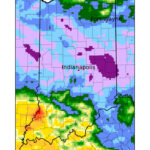
After a drier-than-normal July, recent rains have put Indiana on notice for above-normal precipitation. Just two weeks into August, there was enough precipitation to cover the month’s typical August rainfall, and then some. Much of the state received over 400 percent of normal precipitation for the first two weeks of the month, and some locations…Read more about Soaking Rains to End the Summer, And Then Some[Read More]
Purdue University prohibits discrimination against any member of the University community on the basis of race, religion, color, sex, age, national origin or ancestry, genetic information, marital status, parental status, sexual orientation, gender identity and expression, disability, or status as a veteran. This material may be available in alternative formats. 1-888-EXT-INFO Disclaimer: Reference to products in this publication is not intended to be an endorsement to the exclusion of others which may have similar uses. Any person using products listed in this publication assumes full responsibility for their use in accordance with current directions of the manufacturer.