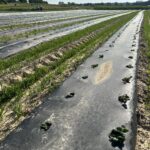
Both plug plants and bare-root plants can be used to establish plasticulture strawberries. Regardless of the type of planting material used, however, proper planting depth is critical. Planting too deep or too shallow can result in poor establishment or even plant death. I have observed both problems during recent farm visits. Planting Strawberry Plugs Too Deep…Read more about Planting Strawberries at the Right Depth[Read More]
Crop Management
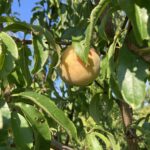
Our fruit crops are on the cusp of maturity at the tail end of this incredibly wet season. Many have failed, and will have no fruit to bear. However, we expect a good harvest from the Goldrush apples! In the past two weeks, our monitoring traps in the orchard have caught 1 dogwood borer (Synanthedon…Read more about Crop Conditions[Read More]
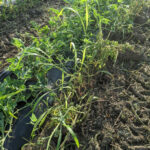
About a third of the farmer phone calls and texts I receive as a weed science Extension specialist center around a lack of weed control in vegetable crops. The lines, “what went wrong?” and “what do I do now?” generally follow. As the summer starts to give way to fall, now is a good time…Read more about Take a moment to assess your 2026 weed control- Part 1 (Rainfall):[Read More]
In the past two weeks, our monitoring traps in the orchard have caught 156 dogwood borer (Synanthedon scitula) individuals, 23 coddling moth (Cydia pomonella) individuals, and 0 oriental fruit moth (Grapholita molesta) individuals. Japanese beetles have subsided with little damage to our fruit crops. An apple and grape cover is scheduled for 7/23.
In the past two weeks, our monitoring traps in the orchard have caught 133 dogwood borer (Synanthedon scitula) individuals, 12 coddling moth (Cydia pomonella) individuals, and 0 oriental fruit moth (Grapholita molesta) individuals. Japanese beetles are beginning to swarm apples trees and grape vines, Imidan was included in cover sprays to control the pest. An…Read more about Crop conditions[Read More]
We have seen increasing interest in harvesting strawberry runner tips and producing plug plants on-farm for the next year’s planting. This practice is allowed for cultivars that don’t have a patent or patent has expired. Several excellent Extension publications describe this process, including Strawberry Plug Plant Production published by Utah State University, and Propagating Strawberry…Read more about Considerations of Growing Strawberry Plugs by Harvesting Runner Tips[Read More]
As strawberry harvest winding down, growers are preparing for next year’s planting. A question among plasticulture strawberry growers is whether to establish a new strawberry patch using plug plants or bare-root plants. Plug plants are actively growing transplants produced from runner tips and typically sold in 50-cell trays filled with soilless growing media. In contrast,…Read more about Considerations of Using Plugs or Bare-Root Plants to Start a Plasticulture Strawberry Patch[Read More]
As the fruit crops recover, some frost rings have appeared in our apples. In the past two weeks, our monitoring traps in the orchard have caught 70 dogwood borer (Synanthedon scitula) individuals, 17 coddling moth (Cydia pomonella) individuals, and 0 oriental fruit moth (Grapholita molesta) individuals. An apple cover was applied 5/22, and a grape…Read more about Crop conditions[Read More]
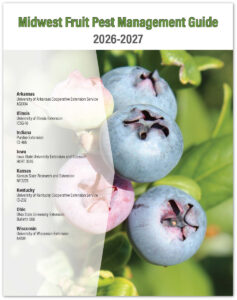
The 2026-2027 Midwest Fruit Pest Management Guide is now available! This guide provides conventional pest management recommendations for commercial tree fruit, small fruit, and grape producers throughout the Midwest and surrounding states. These recommendations have been formulated to provide up-to-date information on pesticides and their application. It is available for free online and can be…Read more about 2026-2027 Midwest Fruit Pest Management Guide Now Available[Read More]