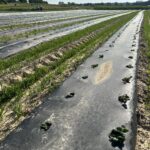
Both plug plants and bare-root plants can be used to establish plasticulture strawberries. Regardless of the type of planting material used, however, proper planting depth is critical. Planting too deep or too shallow can result in poor establishment or even plant death. I have observed both problems during recent farm visits. Planting Strawberry Plugs Too Deep…Read more about Planting Strawberries at the Right Depth[Read More]
Strawberry
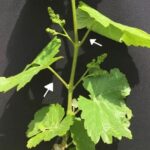
Tissue Analysis for Grapes & Small Fruit Tissue analysis is the most reliable means of determining plant nutritional status. Combined with soil testing, tissue analysis can help pinpoint the source of problems and determine what measures may be needed to ensure proper nutrition of the crop. Tissue analysis samples should be collected at the appropriate…Read more about Tissue Analysis for Grapes and Small Fruit[Read More]
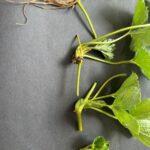
We have seen increasing interest in harvesting strawberry runner tips and producing plug plants on-farm for the next year’s planting. This practice is allowed for cultivars that don’t have a patent or patent has expired. Several excellent Extension publications describe this process, including Strawberry Plug Plant Production published by Utah State University, and Propagating Strawberry…Read more about Considerations of Growing Strawberry Plugs by Harvesting Runner Tips[Read More]
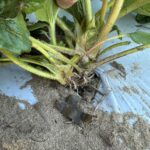
As strawberry harvest winding down, growers are preparing for next year’s planting. A question among plasticulture strawberry growers is whether to establish a new strawberry patch using plug plants or bare-root plants. Plug plants are actively growing transplants produced from runner tips and typically sold in 50-cell trays filled with soilless growing media. In contrast,…Read more about Considerations of Using Plugs or Bare-Root Plants to Start a Plasticulture Strawberry Patch[Read More]

The tarnished plant bug, Lygus lineolaris, or TPB can create some serious problems for strawberry growers this time of year, as their damage leads to misshapen fruit. This pest is a True Bug, meaning it feeds using piercing-sucking mouthparts and develops through incomplete metamorphosis; eggs hatch into nymphs that look like adults but increase in…Read more about Tarnished plant bugs in strawberry[Read More]
Strawberry harvest has begun in southern Indiana, with growers reporting that the season started at least a week earlier than usual. We experienced a frost event in mid-March, along with a few light, scattered frosts afterward. Fortunately, with the use of row covers, crop damage has been minimal across the region. Overall, the spring was…Read more about Plasticulture Strawberry Update in Southern Indiana[Read More]
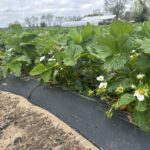
When growers are asked about the top challenges in plasticulture strawberry production, frost/freeze damage are almost always at the top of the list. Anyone living in Indiana understands how unpredictable spring weather can be. This year, in southern Indiana, we experienced warm periods with average daily temperatures exceeding 60 °F in mid-February, followed by sharp…Read more about Spread out Flower Timing to Reduce Spring Frost/Freeze Risks in Plasticulture Strawberry Production[Read More]
From 2022 to 2024, we evaluated the performance of 15 June-bearing strawberry cultivars grown in a plasticulture system using black and white-on-black plastic mulches at two locations in Indiana: the Southwest Purdue Agricultural Center in Vincennes, IN, and the Meigs Horticulture Research Farm in Lafayette, IN. During the experimental period, monthly average temperatures at the…Read more about Performance of 15 June-bearing Strawberry Cultivars Grown in Plasticulture System for Two Seasons in Indiana[Read More]

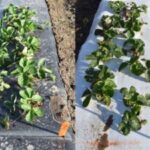
From 2022-2024, we evaluated the performance 15 strawberry cultivars grown in plasticulture system using black and white-on-black plastic mulches (Figure 1) at two locations: Southwest Purdue Agricultural Center in Vincennes, IN (USDA hardiness zone 6b), and Meigs Purdue Agricultural Center in Lafayette, IN (USDA hardiness zone 6a). Strawberries were harvested for two seasons. Plug plants…Read more about Performance of Strawberries on Black vs. White Plastic Mulches in Indiana[Read More]