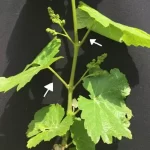
Tissue analysis is the most reliable means of determining plant nutritional status. Combined with soil testing, tissue analysis can help pinpoint the source of problems and determine what measures may be needed to ensure proper nutrition of the crop. Tissue analysis samples should be collected at the appropriate time to give the most meaningful results….Read more about Tissue analysis for grapes and small fruit[Read More]
Strawberry
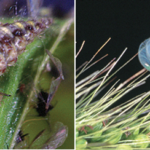
There are so many different kinds of insects, but we often focus on the ones that cause damage (for obvious reasons). However, there are many beneficial, predatory insects you can be on the lookout for in your fruit plantings! These insects can be seen throughout the season, attacking aphids, mealybugs, caterpillars, mites, and even scale…Read more about Do you know your beneficial insects in fruit plantings?[Read More]
Strawberries are traditionally grown with a matted-row system in Indiana. Plasticulture is relatively new. It brings market opportunities and potentially high income. However, growing strawberries in plasticulture is much more expensive than the matted-row system. Farmers need a good understanding of the system to avoid significant economic loss. In the Strawberry Chat Podcast episodes, you…Read more about Farmers Shared Experiences in Plasticulture Strawberry Production[Read More]
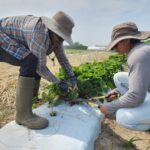
As strawberry harvest winds down, attention turns to strawberry renovation. Renovation consists of mowing existing strawberry foliage (Figure 1) and, in matted row systems, cultivating to reduce row width. When combined with strategic herbicide applications, this can be a great time in the production cycle to catch up on weed management or maintain your level…Read more about Weed Management at Strawberry Renovation[Read More]
The harvest season may not have ended yet; it is time to plan for the new planting. This article summarizes options for planting materials and considerations for plasticulture-grown strawberries in the region. Purchasing plug plants Plug plants are like vegetable transplants with actively growing root systems. Plug plants are much easier to establish than bare-root…Read more about Plug? Bare-root? What Other Options for Plasticulture Strawberry Planting? [Read More]
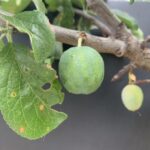
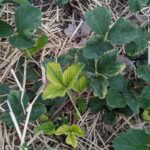
This time of year, my email inbox and phone text messages are filled with ugly photos of fruit and vegetable crops affected by suspected herbicide exposure. Sometimes the symptomology points toward a clear cause and effect, but most of the time the answer is not so clear-cut. Here are a couple recent examples: Cupping and…Read more about Diagnosing Herbicide Injury is Easy… Sometimes.[Read More]
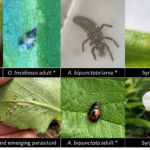
Growing strawberries under high tunnels can extend the harvest season, provide protection against rain, frost, and disease, and improve overall yield and fruit marketability. Pest pressure, however, can be higher on protected culture strawberry compared to the open field. This is especially true for small, soft-bodied pests such as spider mites, aphids, and thrips. Even…Read more about Research Update: Insect Pest Management for the High Tunnel Strawberry Production System[Read More]
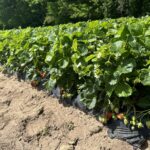
Plasticulture strawberry harvest has kicked off in southern Indiana. These plants went through a winter of temperatures, ups and downs, and survived the unexpected frosts in April. Finally, it is harvest time! This article’s title is a message from a grower. The straightforward explanation is that plants received more sunlight and warmed up faster on…Read more about Why do the East Side of My Strawberry Rows Have Way More Ripe Ones than the West Side?[Read More]
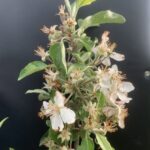
At the Meigs Horticultural facility we are now seeing, more clearly, the damages from the April 24th freezing temperatures. All fruit crops are starting to grow out of that damage, which is good to see. I would still say that our loss on crops across the farm is 10-15% except for the Shiro Plums. The…Read more about Crop Conditions[Read More]