Tissue analysis is the most reliable means of determining plant nutritional status. Combined with soil testing, tissue analysis can help pinpoint the source of problems and determine what measures may be needed to ensure proper nutrition of the crop. Tissue analysis samples should be collected at the appropriate time to give the most meaningful results….Read more about Tissue Analysis for Grapes & Small Fruit[Read More]
Strawberry
Topics of July strawberry chat are Weed Control and Insect Pest Management. Our guests are Drs. Stephen Meyers and Samantha Willden, and Mr. David Doud. Dr. Meyers is an assistant professor and weed scientist at the Horticulture and Landscape Architecture Department. Dr. Meyers will discuss weed management and herbicide options in matted-row and plasticulture strawberry…Read more about Strawberry Chat — June Record and July Topics[Read More]
Purdue Fruit, Veg & Hemp Field Day Meigs Purdue Ag Center 9101 S 100 E, Lafayette, IN 47909 July 21, 2022 More details to come.
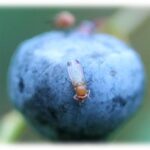
For those growing delicious small fruits, including cherries, raspberries, blackberries, blueberries, and strawberries, on a U-pick farm or even your backyard, now is the time to be on the lookout for spotted-wing drosophila (SWD), especially if your berries are ripe or in the ripening stage. Most of you are likely familiar with SWD (Figure 1),…Read more about Be on the lookout for spotted-wing drosophila as small fruits begin to ripen[Read More]
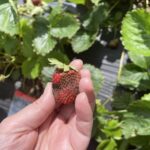
Wet weather throughout the Midwest has resulted in explosive anthracnose outbreaks in Indiana, Illinois, Kentucky and Ohio. Although it is too late to save the fruit crop, actions can be taken to protect daughter-plant establishment and to develop a plan for future disease management. Anthracnose is one of the most devastating diseases impacting strawberry production…Read more about Managing Anthracnose in Strawberry[Read More]
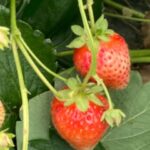

Dacthal® flowable herbicide is currently produced by AMVAC Chemical Corporation and registered for use in numerous vegetable crops (Midwest Vegetable Production Guide (mwveguide.org)) and strawberry. It provides pre-emergence control of small-seed broadleaf weeds and grasses. Dacthal herbicide contains the active ingredient DCPA. On April 28, 2022 the United States Environmental Protection Agency issued a notice…Read more about Future of Dacthal® Herbicide Uncertain[Read More]
Strawberry plug plants that have active growing root systems are easier to establish than bare-root plants. Interest in growing strawberries using plug plants and plastic mulch is growing. Strawberry plug plants are produced from the runner tips of mother plants. In commercial production, mother plants may be grown in climate-controlled greenhouses or open fields in…Read more about Is it okay to propagate your own strawberry plug plants?[Read More]

In the strawberry benchtop system in the greenhouses at Southwest Purdue Ag Center (SWPAC), we have been experiencing infestations in red berries of a small, clear larvae with a black head capsule. The larvae are often found in clusters on a single fruit and were difficult for us to identify. We encountered them in early…Read more about Fungus gnat larvae in strawberries[Read More]
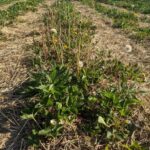
Historically Stinger® herbicide application in Indiana strawberries was limited to post-harvest. A new 24(c) Special Local Needs Label now includes a spring application (Figure 1). Why does it matter? A spring application of Stinger® will help to manage certain difficult-to-control broadleaf weeds in the spring. This will reduce reliance on hand-weeding, reduce competition between…Read more about New 24(c) Special Local Need Label Allows for Spring Stinger® Herbicide Application in Strawberry[Read More]