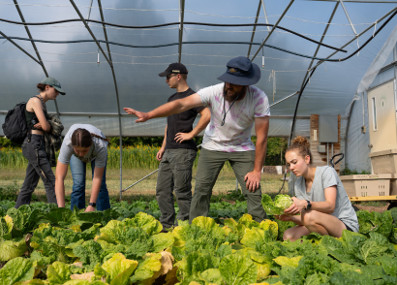
 Preparing for a third-party food safety audit can be challenging for produce growers, particularly when navigating audit requirements, understanding the audit scope, and determining which documentation and practices need to be in place. To help growers better understand the process, Safe Produce Indiana, using the Purdue Student Farm as an example, has developed a four-part educational video series focused on the USDA Harmonized GAP Third-Party Audit. The series provides practical guidance on the audit process and highlights key areas that growers should consider when preparing their farms for an audit.
Video 1: “Introduction to the Harmonized GAP Third-Party Audit,” which introduces growers to the purpose of a third-party audit and provides an overview of the Harmonized GAP program. It helps growers understand why food safety audits are conducted and how they can evaluate the effectiveness of a farm’s food safety practices.
Video 2: “Understanding Audit Scope and Process” focuses on the scope of an audit and the different steps involved in the auditing process. Understanding audit scope is important because it helps growers determine which crops, production areas, activities, and food safety practices will be evaluated.
Video 3, “General Questions, Field Operations, and Post-Harvest Operations,” addresses important areas of farm food safety, including questions auditors may ask and practices associated with both field and post-harvest operations.
Video 4: “Harmonized GAP Audit Process,” which provides additional information about the audit process and reinforces the importance of preparation, documentation, and consistent implementation of food safety practices.
Watch the Video Series
Video 1:
Introduction to the Harmonized GAP Third-Party Audit
Video 2:
Understanding Audit Scope and Process
Video 3:
General Questions, Field Operations, and Post-harvest Operations
Video 4:
Acknowledgment
This project is part of a Specialty Crops Block Grant (SCBG), funded by the Indiana State Department of Agriculture (ISDA)