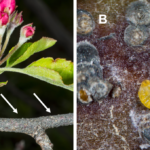
San Jose scale attacks all the delicious fruit trees: apple, peach, pear, and plum. Some of you may already know that this insect is particularly difficult to manage, because most life stages are very small, even tiny, so they are not obvious until there are lots of them! In fact, you’re going to need a…Read more about Tips for managing San Jose scale in tree fruit[Read More]
Apples
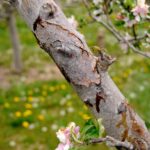
Fire blight, caused by the bacterium Erwinia amylovora, is a devastating disease of apples and pears. Epidemics of the disease develop quickly, particularly in a climate of warm, wet weather, with hail events. The type of management program developed by each orchard will vary considerably based upon a variety of orchard factors, including apple variety,…Read more about Fire Blight[Read More]
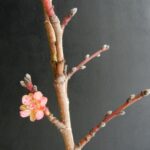
There has been a lot of movement just in the last two weeks. We are seeing a lot of trees about to flower or in full flower. The grapes are swelling and some early varieties are at bud burst. Our field Strawberries are at tight bud or popcorn stage now. The Strawberries in the high…Read more about Crop Conditions[Read More]
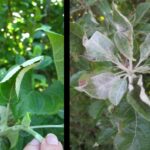
All that new, succulent growth needs to be protected to prevent primary (and even secondary!) scab (Fig. 1). We’re past the point where copper can be safely used, so protectant fungicides for scab control at this stage include mancozeb, ziram and captan. As an added bonus, all of these protect against the summer rots, and…Read more about Apple Disease Management Notes for April[Read More]

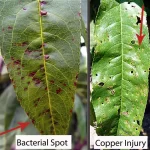
As of right now, we simply do not know if we will have crops from our woody fruit producing plants, from apples to grapes to peaches. Remember: The ability to produce fruit is determined in the spring with flower development. Any factor, whether abiotic, insect or pathogen, that interferes with flower development will impact fruit…Read more about Early season disease management[Read More]
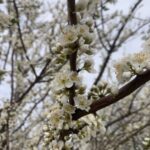
The Purdue Meigs Horticulture Facility in Lafayette, Indiana just south of campus is looking lively this time of the year. All our fruit crops and trees have begun development. I know last year I said we had a warm winter and early spring but this year was much warmer and earlier. I was working fields…Read more about Crop Conditions[Read More]
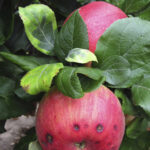
In Indiana, our ‘normal’ or average weather is one of extremes, punctuated with an occasional glorious summer day of sun and 76 degrees F. This year has been one of flooding and droughts, freezes and scorching heat. Again. With these weather extremes come physiological disorders and summer fruit rots, for those lucky enough to even…Read more about Pits, Spots and Rots[Read More]