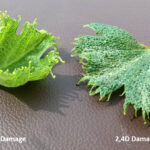
This is the time of year where we receive numerous reports of off-target herbicide exposure. Grapevines and fruit trees sensitive to growth regulator herbicides, including phenoxy, benzoic, and pyridine classes of compounds. 2,4-D and dicamba are the most common products, and they are used widely in corn and soybean production. Damage can range from minimal…Read more about Tips for Avoiding Herbicide Injury[Read More]
Grapes
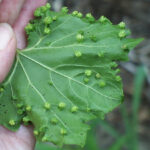
Phylloxera is an aphid-like insect that is native to the Eastern US. It has two distinct life forms: the root form, which feeds on the roots, can stunt growth and eventually lead to vine death. The foliar form of the insect causes galls on vine leaves (Figure 1) and is overall less concerning. The root…Read more about Managing Grapevine Phylloxera[Read More]
The most important time of the year for fruit disease control in grapes is from pre-bloom to 4-5 weeks past fruit set. The potential for fruit infection drops significantly 4-5 weeks post-bloom. Important diseases to control during this time include black rot, downy mildew and powdery mildew. Fruit of the most commonly planted varieties is…Read more about Critical Period for Disease Management in Grapes[Read More]
Mancozeb can still be used in grapes during the 2025 growing season. However, the EPA has proposed to cancel the use of mancozeb in grapes in the future. The Federal Insecticide, Fungicide, and Rodenticide Act (FIFRA) is conducting a re-registration review of many multi-site fungicides, including ziram, thiram, captan and now mancozeb. The proposed cancellation…Read more about Update on Mancozeb Use in Grapes[Read More]
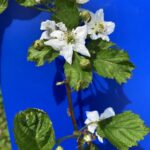
Hi! This week’s crop conditions are looking quite good despite not having any significant rain recently. Most crops have set fruit and are progressing well. The grapes received their second spray this season on the 9th. This is a busy time here at Meigs as we make raised beds for our vegetable crops and prepare…Read more about Crop conditions[Read More]

Hello! This is our third crop conditions update this season. The fruit trees are progressing well as things get up and going around the farm. Most everything has passed 1 or more stages of growth since the third week of this month. Monday the 28th marked our first fungicide application in the vineyard, with the…Read more about Crop conditions[Read More]

Join Veterans in Farming and Purdue University for a Grape Planting Workshop followed by a wine tasting on June 3rd at The Rejoicing Vine Winery in Indianapolis, IN. Come see what it takes to cultivate grapes and operate a winery! Learn from Purdue viticulture specialist Miranda Purcell all about grape planting and growing techniques for…Read more about Veterans Grapevine Planting Workshop[Read More]
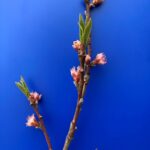
Welcome to our second update of crop conditions this season. Since the start of the month, our peach trees and plums have bloomed. The hard frosts we had out here last week killed many of those flowers as shown in the plum photo. They still have more yet to open, so not all is lost!…Read more about Crop conditions[Read More]
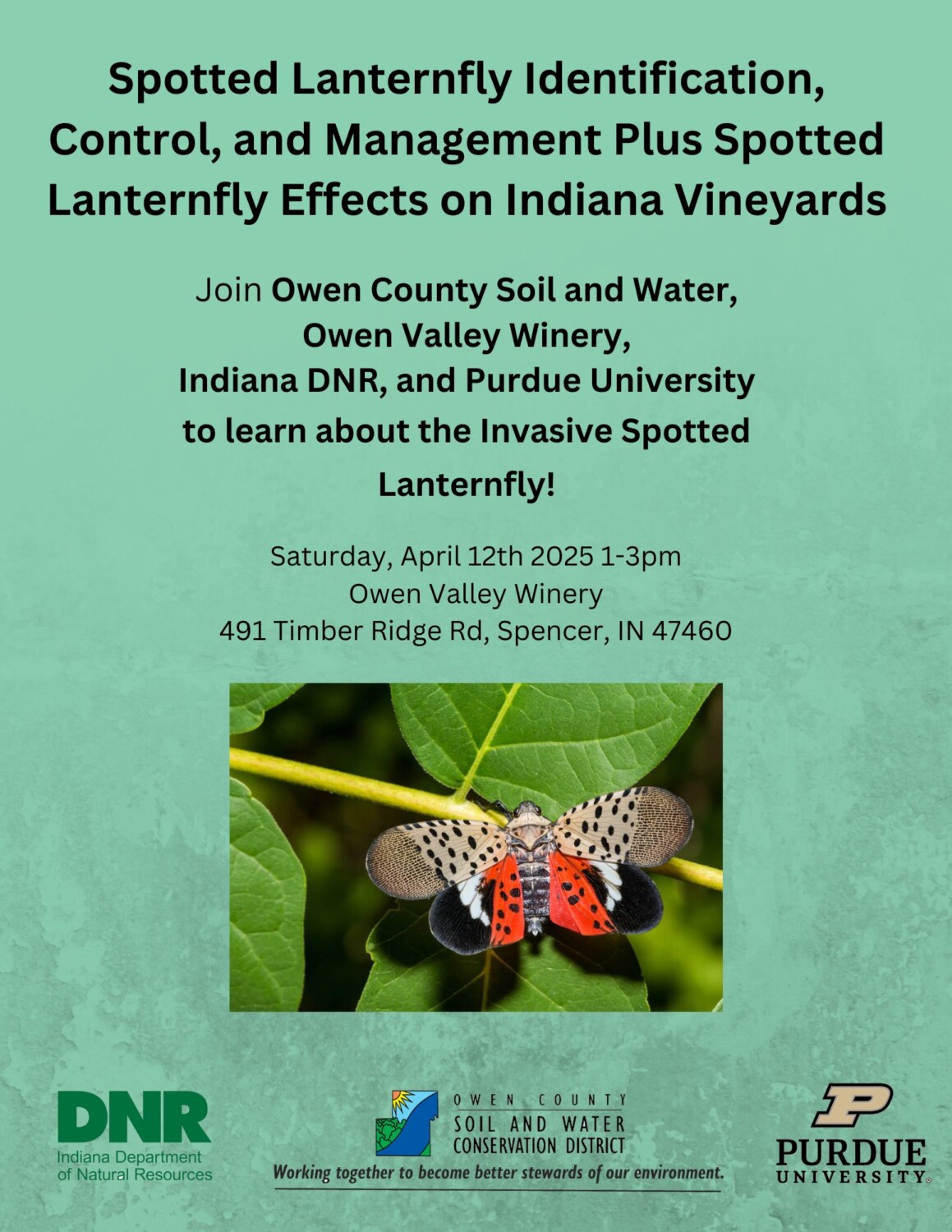
Spotted Lanternfly Identification, Control, and Management Plus Spotted Lanternfly Effects on Indiana Vineyards Join Owen County Soil and Water, Indiana DNR, Purdue Extension and Owen Valley Winery on Saturday, April 12th 1-3 PM at Owen Valley Winery (491 Timber Ridge Rd Spencer, IN 47460) to learn about the invasive Spotted Lanternfly and the effects it…Read more about Join us to Learn about the Spotted Lanternfly & Its Effects on Indiana Vineyards[Read More]
It’s been a fruitful year here at the Meigs Horticultural Facility in Lafayette, Indiana. We are now harvesting primocane blackberries, most all grapes, early season apples, and on our fourth harvest of watermelons. The harvest so far has been plentiful and the just most delicious fruit across the board! Pears and paw paws are a…Read more about Crop conditions[Read More]