Grapes
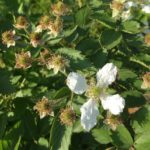
As reported in the last edition of Facts for Fancy Fruit, we achieved biofix in Lafayette on May 9. With a lot of cool weather since then, we have only achieved 170.5 degree days as of May 24. This is a year when monitoring degree days has the potential to greatly improve your levels of…Read more about Codling Moth[Read More]

Immediate post-bloom through about 3 weeks post bloom is the most effective time for leaf removal on tight clustered varieties such as Vignoles, Seyval, and Pinot gris. That time will be coming up soon in southern Indiana. Removal of 3 to 5 leaves in the cluster zone can greatly reduce risk of Botrytis bunch rot….Read more about Leaf removal in grapes[Read More]
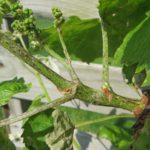
The weather this spring has been ideal for development of Phomopsis cane and leaf spot. The past few weeks have been cool with frequent showers, and shoot growth has been slow. These conditions favor sporulation and infection by Phomopsis. This pathogen is one of the major causes of fruit rot in the Midwest. Early season…Read more about Phomopsis cane and leaf spot in grapes[Read More]
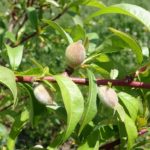
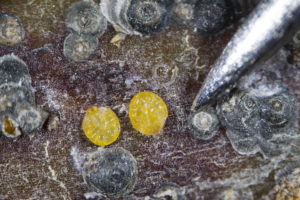
I have seen some pretty impressive infestations of overwintering San Jose scale this spring. These infestations re-emphasize the importance of putting on a dormant oil spray each spring, as scales are one of the pests controlled by that application. SJS overwinters as an immature and is now at the point of maturing. Shortly after, they…Read more about San Jose Scale[Read More]
Grapes are at the 4 to 8 inch stage in Lafayette. Blackberries are just starting to bloom. Raspberries have a few flower buds starting to show. Strawberry bloom continues. Blueberries are at petal fall. Fruit set for apples and peaches has generally been adequate and thinning will be necessary. Cloudy weather during early fruit development…Read more about Crop Conditions[Read More]

Grapes in the southern half of the state will soon be reaching the critical pre-bloom stage, which is a key time to control important diseases such as black rot, downy mildew, and powdery mildew. The next three or four sprays will be critical in controlling fruit infections. Growers should pay extra attention to getting thorough…Read more about Important Pre-bloom Sprays for Grape Disease Management[Read More]
Crop management through shoot and cluster thinning is a critical management practice for most varieties. Many varieties grown in Indiana tend to produce a large number of “non-count” shoots from adventitious buds and basal buds at count nodes. This lead to excess crop and shading in the canopy. Shoot thinning reduces excess shoot number to…Read more about Shoot and Cluster Thinning in Grapes[Read More]