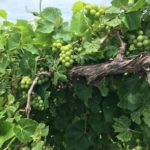
Summer bearing brambles are showing the full extent of the freeze and frost damage from earlier this year. Many floricanes are failing to produce a decent crop. Primocanes are growing well and are initiating flowers now. Early types are beginning to bloom. Grape are at bunch closure with veraison not far away for early varieties….Read more about Crop Conditions[Read More]
Grapes
Indiana Horticultural Society Field Day June 28, 2017 Tuttle Orchards 5717 North 300 West Greenfield IN 46140 Wednesday, June 28 9:00am-4:00 pm Joe Becovitz-Office of State Chemist: worker protection standards Fruit Production: tour of apple plantings including new orchards planted in 2014. Vegetable Production: tour of vegetable crop plantings, high tunnels, and chemical storage facilities….Read more about Upcoming Events[Read More]
We have not yet heard any reports of damage from spotted wing drosophila. Our short history with this pest is that damage will commence in early July. Growers should have their SWD traps in place now. Spraying should begin when the first SWD is caught in a trap or the first damage is observed. Because…Read more about Spotted Wing Drosophila[Read More]
Japanese beetles are out and feeding. I saw a large population on the raspberries at the Meigs Farm on Monday. Although this pest isn’t as severe as it was a number of years ago, it can still cause plenty of problems. Small fruit growers should monitor their crops and control the beetles if necessary. Japanese…Read more about Japanese Beetles[Read More]
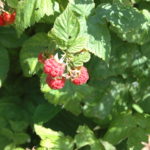
Indiana Horticultural Society Field Day June 28, 2017 Tuttle Orchard Greenfield, IN More details to come but mark the date on your calendar and plan to attend Indiana Winery and Vineyard Association Summer Meeting and Vineyard Tour July 18-19, 2017 Brown County Inn, Nashville IN More details to come, but mark the date on your calendar…Read more about Upcoming Events[Read More]
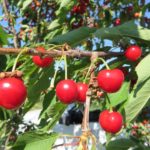
In Lafayette, fruit crops are progressing normally. Strawberry harvest is winding down and quite of bit of leaf spot is showing up. We have our first ripe fruit on summer red raspberries. All brambles are showing signs of freeze damage from the mid-March event. Weak and collapsing fruiting laterals are common. Grapes are from late…Read more about Crop Conditions[Read More]
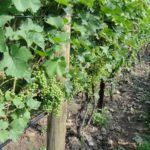
Canopy management is a critical production practice for improved sunlight exposure. Pulling shoots off the top of the rows improves sunlight exposure to the leaves at the base of the shoots. Those nodes will be the ones saved as spurs next year during pruning and sunlight improves bud fruitfulness and cane hardiness. Shoot positioning is…Read more about Canopy Management and Leaf Removal in Grapes[Read More]
The Office of the Indiana State Chemist has filed a Notice of Intent to Adopt a New Rule that will make most dicamba containing herbicides Restricted Use Products (RUP). This designation will allow the OISC to track sales of those herbicides. As many specialty crop growers know, dicamba is one of the growth regulator herbicides…Read more about Dicamba Public Comment Period and Hearing[Read More]