The New York Times reports China has proposed countermeasures to a proposed $60 billion in tariffs from the U.S. on Chinese-made products. The Chinese Ministry of Commerce issued the threat in an online statement. American goods including nuts, wine, and fresh fruit would be subject to 15% tariffs. The Times reports these proposed tariffs in…Read more about China Proposes 15% Tariff on Fresh Fruit, Wine[Read More]
Grapes

So far it has been a cool spring, that in the northern half of the state has helped hold back bud development. As we can see from Figure 1, in Lafayette we have only accumulated 25 growing Degree Days (GDD), and most of these were the result of two warm days (54 and 63 F)…Read more about Spring Temperatures[Read More]
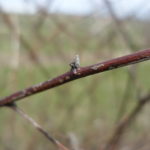
It has been a cool spring so far and most fruit crops are still relatively dormant in the Lafayette area. Early grapes are just at bud swell, red raspberries are also showing signs of growth, sweet cherry buds are swelling, and early apples are at silver tip. Fruit trees in Lafayette remain dormant, however are…Read more about Crop Conditions[Read More]
May 7, 2018 Purdue Wine Grape Team “From Grape to Glass” Byler Lane Winery 5858 County Road 35, Auburn, IN 46706 Contact Jill Blume blume@purdue.edu June 26, 2018 Indiana Hort Society Summer Field Day Garwood Orchard, LaPorte, IN Contact Lori Jolly-Brown ljollybr@ purdue.edu October 17, 2018 Indiana Flower Growers Conference Daniel Turf Center Contact Lori Jolly-Brown…Read more about Upcoming Events[Read More]
One of the first and most important parts of a good insect and mite management program is the application of an early season oil spray to control European red mites, San Jose scale, and several species of aphids. Scales overwinter on the tree as nymphs and European red mites and aphids overwinter as eggs. Because…Read more about Oil Sprays[Read More]
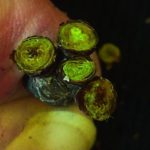
This winter was significantly colder than normal in the northern half of Indiana. Many areas north of “I-70” experienced temperatures between -15 and -20˚F in early January. That is cold enough to cause considerable cold injury to grapes, peaches, and blackberries. Ten below zero is a commonly accepted threshold for seeing damage to cold sensitive…Read more about Cold Injury to Fruit Crops[Read More]
One way insects communicate with individuals of the same species is with pheromones. Pheromones are volatile chemicals released by an insect that usually can be detected only by individuals of the same species. There are a number of different types of pheromones, but the most common type is the sex pheromone. Usually the females will…Read more about Pheromones and Pheromone Traps[Read More]

The Midwest Fruit Pest Management Guide is updated each year by the Midwest Fruit Workers group to provide the most complete information and recommendations for controlling weeds, diseases and insect pests of all major fruit crops grown in the Midwest. For the past three years, the guide has combined information on tree fruit, small fruit…Read more about Midwest Fruit Pest Management Guide (ID-465) available[Read More]
Spring freeze damage can be a significant economic problem for Midwest grape growers. Widespread damage occurred in 2007, 2012 and 2017 when warm temperatures in February and March were followed by freezing temperatures. Obviously this year has been very cool so far so there is hopefully less risk of early budbreak and frost damage. But,…Read more about Pruning to Adjust for Winter Injury and Avoid Spring Frost Damage to Grapes[Read More]

This winter was significantly colder than normal in the northern half of Indiana. Many areas north of “I-70” experienced temperatures between -15 and -20˚F in early January. That is cold enough to cause considerable cold injury to grapes, peaches, and blackberries. See the map below for minimum winter temperatures. We have evaluated crops at the…Read more about Determining Winter Injury in Grape Vines[Read More]