
Grapes in the southern half of the state will soon be reaching the critical pre-bloom stage, which is a key time to control important diseases such as black rot, downy mildew, and powdery mildew. The three or four sprays made from immediate pre-bloom to 4 weeks post bloom are critical for controlling fruit infections. Growers…Read more about Important Pre-bloom Sprays for Grapes[Read More]
Grapes
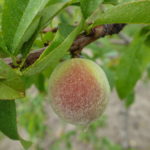
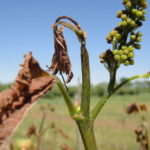
Growers across the state experienced some damage from frost and freeze events on May 7, 8, and 9. Damage is scattered across the state and ranges from minor to severe. We did not have damage in the Lafayette area, but areas of northern and northeastern Indiana were hit. Surprisingly some damage occurred in south central…Read more about Spring frost damage in grapes[Read More]
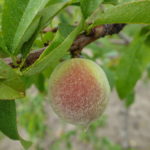
Grapes are at the 8-10 inch shoot stage in southern Indiana and 6 inches or less in northern Indiana. Brambles are blooming in the south and approaching first bloom in central and northern areas. Blueberries are at petal fall to full bloom across the state. There are a few reports of damage to grapes and…Read more about Crop Conditions[Read More]
One of the most critical management practices for grapes is crop load management through shoot and cluster thinning. Many varieties grown in Indiana tend to produce a large number of “non-count” shoots from adventitious buds and basal buds at count nodes. This can lead to excess crop and shading in the canopy. In addition, some…Read more about Shoot and Cluster Thinning Grapes[Read More]
WASHINGTON, Mar. 15, 2017 –America’s farmers and ranchers will soon have the opportunity to strongly represent agriculture in their communities and industry by taking part in the 2017 Census of Agriculture. Conducted every five years by the U.S. Department of Agriculture’s (USDA) National Agricultural Statistics Service (NASS), the census, to be mailed at the end…Read more about Census of Agriculture Countdown Begins for America’s Farmers and Ranchers[Read More]
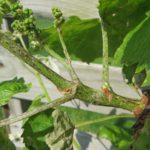
The weather the past 3 weeks has been ideal for development of Phomopsis cane and leaf spot. Temperatures have been cool with frequent rain, and shoot growth has been slow. These conditions favor sporulation and infection by Phomopsis viticola. This pathogen is one of the major causes of fruit rot in the Midwest. Early season…Read more about Phomopsis Cane and Leaf Spot in Grapes[Read More]
Eastern Indiana Fruit Growers Association Hosting Orchard Garden tours at the “Slice of Paradise” 3912 S. Felton St., Marion, IN. Tuesday, May 23 at 6:30pm Dr. Rick Foster from Purdue University will be in attendance For more information, call 765-661-4597 Indiana Horticultural Society Field Day June 28, 2017 Tuttle Orchard Greenfield, IN More details to come but…Read more about Upcoming Events[Read More]
Grapes have grown quickly this past week and most varieties are now past bud burst. The earliest have 4 to 6 inch shoots at this time. Blackberries and raspberries are also growing rapidly, with new primocanes emerging from the ground and laterals on floricanes out to 4 inches or longer. Flower buds are visible on…Read more about Crop Conditions[Read More]

Grape growth is a bit ahead of normal this year. Grapes are at the critical early shoot growth stage when Phomopsis cane and leaf spot infections occur. This is a critical time to take preventative control measures for this disease. If left unchecked, the early shoot infections will spread to cluster stems and developing berries….Read more about Early season sprays for grapes[Read More]