Most crops in the Lafayette area are still dormant. Strawberries and brambles are just starting to grow. It looks like we lost all our peach flower buds. Grapes also were damaged badly by the Jan 30-31 low temperatures in our area. We have several varieties with less than 50% primary bud survival so we are…Read more about Crop Conditions[Read More]
The University of Minnesota Department of Horticultural Science takes a fresh, encouraging new look at growing fruit in the home garden. This guide will help gardeners decide which fruits are right for their gardens and their lifestyles, taking readers through every step from planning, choosing cultivars, and planting, to harvesting and pruning. Readers will find information on…Read more about Growing Fruit in the Northern Garden[Read More]

Just like other commodities, “generic” versions are increasingly available for many common fungicides as patents expire on various proprietary active ingredients. By law, generic products must contain the same amount of active ingredient as the original fungicides, but the formulation may be different. As a result, confusion continues as formulation of a fungicide is proprietary…Read more about Generic Names: The Errors are Legion[Read More]
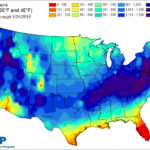
As March wraps up, both temperature and precipitation appear to be near normal for the month. This is hard to imagine given the variability experienced throughout the month! The days either felt colder or warmer than normal, but rarely normal. There were some precipitation events that caused flooding – particularly in southern Indiana, but overall…Read more about Indiana Climate and Weather Report[Read More]
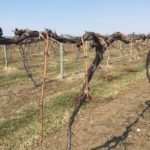
Growers across the state are finishing up pruning. Most apple and blueberry growers are done, and bramble and grape growers are finishing up. Even though this is a late spring compared to some recent years, there are still chances of spring frost damage. Grape growers can use long or double pruning to help delay bud…Read more about Spring Pruning[Read More]

The most important spray of the season for control of anthracnose on brambles is the delayed dormant spray of lime sulfur, Sulforix or copper hydroxide. If you have a problem with anthracnose, this is one spray that you can’t afford to miss. One of these materials should be applied when new leaves are exposed 1/4…Read more about Anthracnose disease in brambles[Read More]

The proper time to remove straw from matted row strawberries is when the bare-soil temperature at 4 inches averages about 40-43˚F. This usually coincides with mid to late March in central Indiana. This year is later than average. Plants begin pushing new leaves as the soil temperatures rise steadily so the straw should be raked…Read more about Straw Removal in Strawberries[Read More]
Purdue University prohibits discrimination against any member of the University community on the basis of race, religion, color, sex, age, national origin or ancestry, genetic information, marital status, parental status, sexual orientation, gender identity and expression, disability, or status as a veteran. This material may be available in alternative formats. 1-888-EXT-INFO Disclaimer: Reference to products in this publication is not intended to be an endorsement to the exclusion of others which may have similar uses. Any person using products listed in this publication assumes full responsibility for their use in accordance with current directions of the manufacturer.