Both the timing and the weather is right for outbreaks of European red mites right now. Apple growers should be scouting their most susceptible varieties or blocks now. If you find problems, you should scout your entire orchard. There is a good chance that the infestation does not encompass your whole orchard, so only spray…Read more about European Red Mites[Read More]
Apples
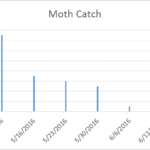
Most growers know that codling moths in the lower Midwest do not behave the same as codling moths in more northern apple growing areas. We usually do not have distinct generations. Here is a graph showing my weekly pheromone trap catches at the Meigs Farm near Lafayette. Notice that the counts have never gone down…Read more about Codling Moth[Read More]
It’s time for apple growers to begin looking for European red mites. ERM can be a serious problem, reducing the yield and quality of this year’s crop as well as reducing fruit buds for next year. Most growers know the area of their orchard where they first see ERM problems. Generally, populations will start to…Read more about European Red Mites[Read More]
We’ve all heard of apple June drop, but what is it, what are the causes and why should we care? June drop is more correctly called physiological fruit drop and is caused by a shortfall of carbohydrates in the tree. This shortfall is because the trees have limited leaf area for photosynthesis (supply of carbohydrates)…Read more about Apple June drop[Read More]
Finally we have some warm, sunny weather, and that means fruit are growing quickly. Generally, fruit are 10–20 mm depending on where in the state you’re located. Many of our common post bloom thinners such as NAA, Sevin and Maxcell work very well when fruit are around 12mm and temperatures are in the 70s. Once…Read more about Apple Chemical thinning[Read More]
Blueberry Growers of Indiana Spring Meeting and potluck June 9, 2016, 4:00 pm Sider’s Blueberry Farm. 6254 W. 200 North, Rochester, IN. More information will follow. Indiana Winery and Vineyard Association Summer meeting July 19-20, 2016 Brown County Inn. Nashville, IN. More information will follow. Indiana Hort Society Summer Field Day June 22, 2016 David…Read more about Upcoming Events[Read More]
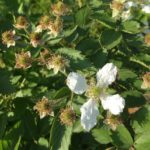
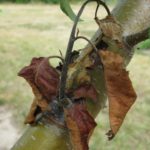
Fire blight seems to have established itself in many orchards throughout the state, meaning it can still be a huge threat in the event of trauma, like hail, due to secondary spread. Secondary spread develops when stormy weather, especially hailstorms, occurs after the primary (blossom) infections. The amount of fire blight that develops after severe…Read more about Fire Blight[Read More]
As reported in the last edition of Facts for Fancy Fruit, we achieved biofix in Lafayette on May 9. With a lot of cool weather since then, we have only achieved 170.5 degree days as of May 24. This is a year when monitoring degree days has the potential to greatly improve your levels of…Read more about Codling Moth[Read More]
The summer meeting of the Indiana Horticultural Society will be held June 22 at Doud’s Countyline Orchard in Wabash, IN. We will also visit a couple of other farms close to David Doud’s. The final details are still coming together, but I encourage you to mark this date on your calendar and plan to attend….Read more about Hort Society Summer Meeting[Read More]