
“During the past few years considerable complaint has been made in this state of the loss of apples through rotting.” George P. Clinton, 1902. It’s been quite a season for rot. High temperatures, coupled with regular rains created a perfect storm of summer rots. If you were one of the orchards with problems, you need…Read more about End of season thoughts on rots[Read More]
Apples

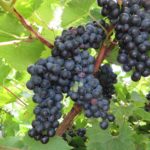
Grape harvest continues across the state. Overall fruit quality has been excellent, but maintaining that quality with all the rain recently is challenging. Thin skinned varieties have fruit cracking and rot problems. Primocane fruiting blackberry harvest continues into its fourth week on Black magic, with APF-45 just getting started. Heritage and Caroline primocane fruiting raspberries…Read more about Crop Conditions[Read More]
We just completed a new publication that will assist fruit and vegetable growers in protecting pollinators while still managing their insect pests. The title is “Protecting Pollinators in Fruit and Vegetable Production.” It can be found at https://extension.entm.purdue.edu/publications/POL-2/POL-2.html. There are two companion publications in this series, “Protecting Pollinators in Home Lawns and Landscapes” and “Protecting…Read more about New Pollinator Publication[Read More]
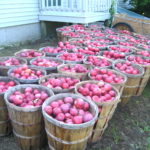
Hopefully, everyone somehow managed to obtain effective fungicide coverage during the wet summer of 2016, and the torrential rains of the last few days. Unfortunately, many of the diseases you thought you successfully battled all summer long might still show up now at harvest, and even in a few weeks post-harvest. It is important to…Read more about The Final Spray[Read More]
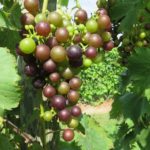
Grape harvest has began in the southern part of the state and will begin in central areas over the next week or so. Early varieties are nearing full maturity while late varieties are just at, or not yet at veraison. Overall fruit quality looks excellent. Apple harvest continues. Summer varieties are mostly done and early…Read more about Crop conditions, current growth stages[Read More]

The symptoms of flyspeck and sooty blotch have begun to make their appearance. I know this because 1). I’m starting to see spots, and 2). We have accumulated MORE THAN enough hours of post- petal fall leaf wetness needed for infection to occur. First, what is enough hours of post- petal fall leaf wetness needed…Read more about Symptoms of flyspeck and sooty blotch[Read More]
Harvest of early season apples has begun in many places around the state. Many of these early apples can suffer from extreme pre-harvest drop. Pristine is certainly in this category, so be careful not to allow fruit to become too ripe on the tree. This risks a large proportion of the crop falling on the…Read more about Early season apples[Read More]
This pest has been extremely common in many locations this year. They can cause defoliation of a number of fruit crops and can be especially devastating to young trees, so they need to be controlled to prevent losses. They also like to feed on most of the small fruits, early maturing varieties of apples, and…Read more about Japanese Beetles[Read More]