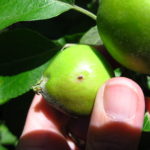
It may seem like the worst is over, but apple growers should continue to be vigilant and apply fungicides even as we approach the end of the ascospore discharge period. Leaves are still highly susceptible to both primary and secondary apple scab infection until the terminal bud has set and the leaves have hardened off….Read more about Attention Apple Growers[Read More]
Apples
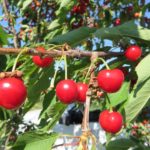
In Lafayette, fruit crops are progressing normally. Strawberry harvest is winding down and quite of bit of leaf spot is showing up. We have our first ripe fruit on summer red raspberries. All brambles are showing signs of freeze damage from the mid-March event. Weak and collapsing fruiting laterals are common. Grapes are from late…Read more about Crop Conditions[Read More]
The Office of the Indiana State Chemist has filed a Notice of Intent to Adopt a New Rule that will make most dicamba containing herbicides Restricted Use Products (RUP). This designation will allow the OISC to track sales of those herbicides. As many specialty crop growers know, dicamba is one of the growth regulator herbicides…Read more about Dicamba Public Comment Period and Hearing[Read More]

The level of fruit drop is almost complete across the state and in some cases we likely have some hand thinning ahead of us. Fruit is generally 20 mm or above which means it’s too late for most chemical thinners. If spurs in your trees look like those in the apple photo in Crop Conditions,…Read more about Apple Fruit Drop[Read More]
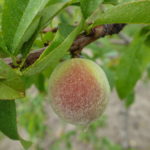

Diagnosing Phytophthora crown rot is difficult. First examine the crown and rule out any type of mechanical damage, including rodent damage. Early symptoms of root and crown rot include delayed bud break, small leaves (often with leaf discoloration), and twig dieback. Bark discoloration, unthrifty growth, and premature leaf drop may occur later in the season…Read more about Phytophthora Symptoms[Read More]

Wet weather continues to be a problem, not just for foliar disease, but root and crown rot, as well. Phytophthora root and crown rot is observed in wet spots: low-lying areas of orchards with heavy, poorly-drained soils. These pathogens can infect all fruit producing plants. Occurrence of this disease is sporadic and tied to wet…Read more about Phytophthora of Tree Fruit[Read More]
Although not always possible, avoid planting in low-lying, flood prone areas. Control weeds around the trunk of apple trees, as many serve as alternate hosts for the crown rot fungus(especially nightshades). Reduce nitrogen application on young trees, and trees with excessive growth as they are more susceptible to crown rot. As there are different species…Read more about Disease Management[Read More]
Remember that many chemical thinners don’t work very well when daily temperatures are below about 65 F. So here we are with warm days ahead, which means rapid fruit growth, perhaps up to 1 mm per day. Apple fruit here in Lafayette are about 12mm which leaves us some good options for chemical thinning. However…Read more about Apple Thinning[Read More]