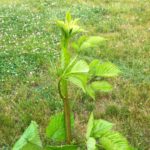
Tipping of primocanes (new vegetative canes from the ground) is an important management practice for summer bearing blackberries and black raspberries. Tipping the new primocanes causes lateral branching and most of the fruit production next year will be from buds on those lateral branches rather than buds off the main cane. Tipping also helps increase…Read more about Summer tipping brambles[Read More]
Bramble Fruit
The summer meeting of the Indiana Horticultural Society will be held June 22 at Doud’s Countyline Orchard in Wabash, IN. We will also visit a couple of other farms close to David Doud’s. The final details are still coming together, but I encourage you to mark this date on your calendar and plan to attend….Read more about Hort Society Summer Meeting[Read More]
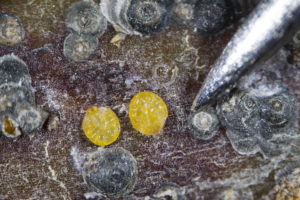
I have seen some pretty impressive infestations of overwintering San Jose scale this spring. These infestations re-emphasize the importance of putting on a dormant oil spray each spring, as scales are one of the pests controlled by that application. SJS overwinters as an immature and is now at the point of maturing. Shortly after, they…Read more about San Jose Scale[Read More]
Grapes are at the 4 to 8 inch stage in Lafayette. Blackberries are just starting to bloom. Raspberries have a few flower buds starting to show. Strawberry bloom continues. Blueberries are at petal fall. Fruit set for apples and peaches has generally been adequate and thinning will be necessary. Cloudy weather during early fruit development…Read more about Crop Conditions[Read More]
I achieved biofix today (May 9) in our orchard at the Meigs Farm near Lafayette. I have also talked to other growers who had also caught 3-5 moths or more in their pheromone traps. For me, I had caught one moth last week and caught three more over the weekend. This constitutes a sustained flight and…Read more about Codling Moth[Read More]
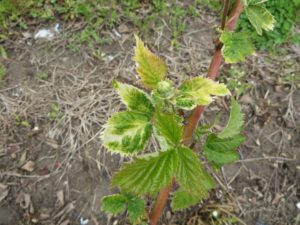
Callisto (a.i. mesotrione) has been labeled for blueberries for the past five years, but the label was expanded to include brambles this year. We used it at the 3 fl. oz. per acre rate on our bramble plantings in Lafayette and significant damage occurred on several varieties. Both blackberries and raspberries were affected. The floricanes…Read more about Callisto Herbicide Injury to Brambles[Read More]
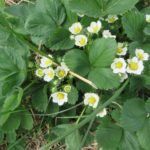
Everyone knows that pollinators, including but not limited to honey bees, are important for the production of fruit crops. A big topic in recent years has been the stresses that reduce honey bee populations. Although not most important, pesticides are one factor that can reduce the populations of pollinators. Here are some things fruit growers…Read more about Pollinator Protection[Read More]
In Lafayette grapes are at bud break to 2-inch shoots. Blackberries are at 3 to 4-inch shoots with flower clusters showing, and raspberries are at 2-3 inch shoots. Strawberries are just starting to bloom. Apples in the northern half of the state are approaching full bloom whereas petal fall is more common in more southern…Read more about Crop Conditions[Read More]