We’ve all heard of apple June drop, but what is it, what are the causes and why should we care? June drop is more correctly called physiological fruit drop and is caused by a shortfall of carbohydrates in the tree. This shortfall is because the trees have limited leaf area for photosynthesis (supply of carbohydrates)…Read more about Apple June drop[Read More]
Pome Fruits
Finally we have some warm, sunny weather, and that means fruit are growing quickly. Generally, fruit are 10–20 mm depending on where in the state you’re located. Many of our common post bloom thinners such as NAA, Sevin and Maxcell work very well when fruit are around 12mm and temperatures are in the 70s. Once…Read more about Apple Chemical thinning[Read More]
Blueberry Growers of Indiana Spring Meeting and potluck June 9, 2016, 4:00 pm Sider’s Blueberry Farm. 6254 W. 200 North, Rochester, IN. More information will follow. Indiana Winery and Vineyard Association Summer meeting July 19-20, 2016 Brown County Inn. Nashville, IN. More information will follow. Indiana Hort Society Summer Field Day June 22, 2016 David…Read more about Upcoming Events[Read More]
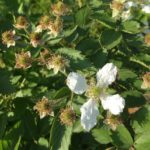
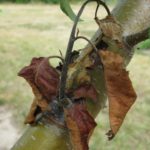
Fire blight seems to have established itself in many orchards throughout the state, meaning it can still be a huge threat in the event of trauma, like hail, due to secondary spread. Secondary spread develops when stormy weather, especially hailstorms, occurs after the primary (blossom) infections. The amount of fire blight that develops after severe…Read more about Fire Blight[Read More]
As reported in the last edition of Facts for Fancy Fruit, we achieved biofix in Lafayette on May 9. With a lot of cool weather since then, we have only achieved 170.5 degree days as of May 24. This is a year when monitoring degree days has the potential to greatly improve your levels of…Read more about Codling Moth[Read More]
The summer meeting of the Indiana Horticultural Society will be held June 22 at Doud’s Countyline Orchard in Wabash, IN. We will also visit a couple of other farms close to David Doud’s. The final details are still coming together, but I encourage you to mark this date on your calendar and plan to attend….Read more about Hort Society Summer Meeting[Read More]
The pollination season was challenging this year and it appears that chemical thinning won’t be simple either. I think in most cases, pollination turned out to be adequate to set full crops. If growers are in doubt they should cut a few fruit in half and look for normal seed development. Before we talk about…Read more about Apple Chemical Thinning[Read More]

Although the season for primary scab infection is winding down, this cool, wet weather is making for an excellent infection period for juniper rusts (Gymnosporangium spp). John Obermeyer and I created this time-lapse video to help explain the complicated lifecycle of this fascinating pathogen: http://tinyurl.com/j3s3t92 The juniper rusts standout due to the conspicuous nature of…Read more about Juniper Rusts[Read More]
I achieved biofix today (May 9) in our orchard at the Meigs Farm near Lafayette. I have also talked to other growers who had also caught 3-5 moths or more in their pheromone traps. For me, I had caught one moth last week and caught three more over the weekend. This constitutes a sustained flight and…Read more about Codling Moth[Read More]