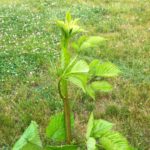
Tipping of primocanes (new vegetative canes from the ground) is an important management practice for summer bearing blackberries and black raspberries. Tipping the new primocanes causes lateral branching and most of the fruit production next year will be from buds on those lateral branches rather than buds off the main cane. Tipping also helps increase…Read more about Summer tipping brambles[Read More]
Crop Management
The pollination season was challenging this year and it appears that chemical thinning won’t be simple either. I think in most cases, pollination turned out to be adequate to set full crops. If growers are in doubt they should cut a few fruit in half and look for normal seed development. Before we talk about…Read more about Apple Chemical Thinning[Read More]
Grapes are at the 4 to 8 inch stage in Lafayette. Blackberries are just starting to bloom. Raspberries have a few flower buds starting to show. Strawberry bloom continues. Blueberries are at petal fall. Fruit set for apples and peaches has generally been adequate and thinning will be necessary. Cloudy weather during early fruit development…Read more about Crop Conditions[Read More]
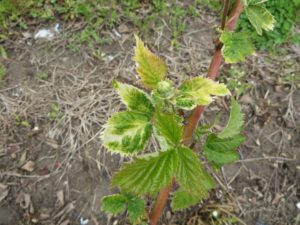
Callisto (a.i. mesotrione) has been labeled for blueberries for the past five years, but the label was expanded to include brambles this year. We used it at the 3 fl. oz. per acre rate on our bramble plantings in Lafayette and significant damage occurred on several varieties. Both blackberries and raspberries were affected. The floricanes…Read more about Callisto Herbicide Injury to Brambles[Read More]
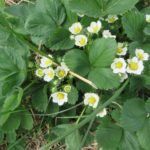
We’re getting close to the time when growers need to make chemical thinning decisions – for many the most perplexing and risky decision they will make all year. This is usually a tricky call to make, even more so when we have had spring frosts. Luckily in most places the spring frosts have not been…Read more about Chemical Thinning[Read More]
Everyone knows that pollinators, including but not limited to honey bees, are important for the production of fruit crops. A big topic in recent years has been the stresses that reduce honey bee populations. Although not most important, pesticides are one factor that can reduce the populations of pollinators. Here are some things fruit growers…Read more about Pollinator Protection[Read More]
Crop management through shoot and cluster thinning is a critical management practice for most varieties. Many varieties grown in Indiana tend to produce a large number of “non-count” shoots from adventitious buds and basal buds at count nodes. This lead to excess crop and shading in the canopy. Shoot thinning reduces excess shoot number to…Read more about Shoot and Cluster Thinning in Grapes[Read More]
In Lafayette grapes are at bud break to 2-inch shoots. Blackberries are at 3 to 4-inch shoots with flower clusters showing, and raspberries are at 2-3 inch shoots. Strawberries are just starting to bloom. Apples in the northern half of the state are approaching full bloom whereas petal fall is more common in more southern…Read more about Crop Conditions[Read More]

Weather for 2016 continues to be unpredictable. And although bad weather can damage crops, it does little to stop the pathogens that plague pome fruit. The past few weeks of cool weather has slowed things down, but not scab—at least, not completely. All plants, insects, and pathogens develop in response to temperature–The warmer the weather,…Read more about Unpredictable Weather[Read More]