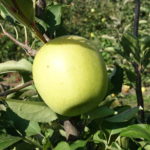
Apple harvest continues and apples are still running about a week ahead of normal. A higher than usual amount of stem-end cracking is showing up. Fruit showing these cracks should be sold first and are not suitable for long-term storage. Grape harvest is winding down with only the latest varieties left. Primocane blackberry and raspberry…Read more about Crop Conditions[Read More]
Fruit rots continue to pose a problem for those of us in the wetter parts of the state. Frequent rains and warm temperatures really set the stage for bitter rot, black rot, white rot, and even brown rot. Any rain event that produced more than 2” of rain would remove the majority of fungicide, meaning…Read more about Fruit Rots[Read More]
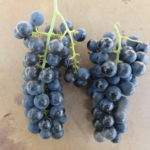
There are a number of common grape pathogens that can cause fruit rots each year in the region. Black rot and Phomopsis cane and leaf spot are by far the most common fruit pathogens. We also see Botrytis gray mold on some cultivars in cooler regions and years. Another common rot is Sour rot, but…Read more about Ripe Rot on Grapes[Read More]
Indiana Flower Growers Association Conference October 10, 2017 Daniel Turf Center, Purdue University West Lafayette, IN Contact Lori Jolly-Brown @ljollybr@purdue.edu Indiana Horticultural Congress February 13-15, 2018 Indianapolis Marriott East Indianapolis, IN Contact Lori Jolly-Brown @ljollybr@purdue.edu Visit www.inhortcongress.org for more details
Purdue University prohibits discrimination against any member of the University community on the basis of race, religion, color, sex, age, national origin or ancestry, genetic information, marital status, parental status, sexual orientation, gender identity and expression, disability, or status as a veteran. This material may be available in alternative formats. 1-888-EXT-INFO Disclaimer: Reference to products in this publication is not intended to be an endorsement to the exclusion of others which may have similar uses. Any person using products listed in this publication assumes full responsibility for their use in accordance with current directions of the manufacturer.