Pome Fruits
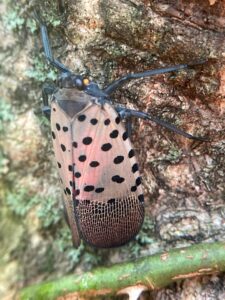
Adapted from IDNR Press release and Purdue Landscape Report The Spotted Lanternfly (SLF) has been found in Indiana A homeowner in Vevay, IN contacted DNR’s Division of Entomology & Plant Pathology (DEPP) last week with a picture of a red immature stage near their home. DEPP staff surveyed the site and discovered an infestation…Read more about Spotted Lanternfly found in Indiana[Read More]
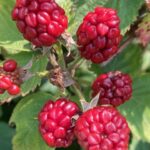
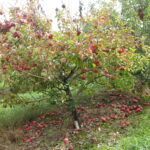
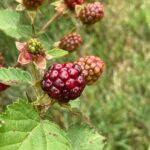
Throughout Indiana orchards, Phytophthora root and crown rot continues to be a major cause of tree death (Fig. 1), and losses in small fruit, as well (Fig. 2). The disease is caused by the several members of the genus Phytophthora, and includes (but is by no means limited to) the following species): P. cactorum, P….Read more about Recent Rains Driving Phuture Phytophthora Problems[Read More]
Indiana Horticultural Society Field Day, July 27 2021 Hosted by: Wea Creek Orchard 5618 South 200 East Lafayette, IN 47909 The morning schedule is focused on soil health and is organized by the Pence Agronomy Group. The afternoon session concentrates on fruit (and pumpkins). Growers are welcome to attend all parts of the program of…Read more about Indiana Horticultural Society Field Day, July 27 2021[Read More]
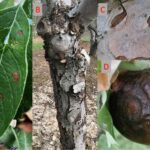
Frogeye leaf spot, caused by the fungal pathogen, Botryosphaeria obtusa, has been quite prevalent this year, probably due to the combination of potential (and realized) crop loss and our cool, wet spring. This is the same fungus that causes cankers on the tree, along with black rot of apple fruit (Fig. 1). Frogeye leaf spot…Read more about Frogeye leaf spot[Read More]
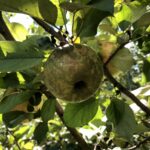
For those of you still fortunately enough to have apples, disease management continues to a greater degree than those of us without a crop. Around now (the beginning of cover sprays), the most serious apple pathogens are generally less active, terminal buds have set, leaves have hardened off (and are now less susceptible) and weather…Read more about Fungicide Use Midseason and On[Read More]