
Purdue Fruit and Vegetable Field Day on July 18, 2024 Long Description We are happy to announce that Purdue Extension is presenting its annual Fruit and Vegetable Field Day on July 18, 2024, at the Throckmorton/Meigs Horticulture Farm, Lafayette, IN. Registration is now open! Register here: Purdue Fruit and Vegetable Field Day The program is now…Read more about Purdue Fruit and Vegetable Field Day[Read More]
Found 896 Articles

July 25, 2024 Purdue Small Farm Education Field Day REGISTRATION NOW OPEN! Attendees, exhibitors, and sponsors register here: Purdue Small Farm Education Field Day 2024 presentations: Insect dynamics in HTs Companion Plants and Syrphid Fly Recruitment High Tunnel Table Grapes Advantages and Considerations of Raised Bed Gardening High Tunnel Sweet Pepper Production Strategies and Variety Selection…Read more about Purdue Small Farm Education Field Day[Read More]

Purdue Fruit & Veg field day REGISTRATION NOW OPEN! Register here: Purdue Fruit and Vegetable Field Day 2024 presentations: Trap Crop System for Multi-generational Control of Flea Beetles in High Tunnel Brassica crops Pollinators in High Tunnels vs. Open Field Production Evaluating the Impacts of Insect-Derived Soil Amendments on Crop Production Impact of Soil Fertility…Read more about Purdue Fruit & Veg field day[Read More]
This year, the strawberry season throughout Indiana seems to be early by about 10 days to 2 weeks, regardless of the production system. In southern Indiana, I heard the harvest lasted from mid/late April until mid-May in some fields. In central I ndiana, the harvest started in mid-May and is nearing its end in early…Read more about Do June-bearing Strawberries still Harvest in June?[Read More]
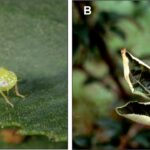
Hi fruit growers! Hopefully the season is going well for all of you. I am hearing from several folks that fruit development is ahead of where it was this time last year, and maybe that’s why I’m also getting a lot of questions about ‘unusual’ damage to the leaves and fruits of caneberries, apples, and…Read more about Leafhopper and plant bug damage in orchards this season[Read More]
Shoot Thinning The optimum shoot density is 5-6 shoots per foot of row. Thinning to this density can help reduce shading, adjust the crop, lower the risk of disease and improve spray penetration. The optimal time for shoot thinning is before the shoots reach 12 inches. Removing the shoots may be more difficult once they’ve…Read more about Grapevine Canopy Management[Read More]
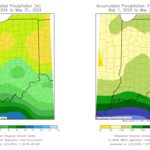
Happy meteorological summer, everyone! Whether you’re ready or not, summer is here…well, at least meteorologically. While the official start of summer according to the astronomical calendar is the summer solstice on Thursday, June 20, meteorological summer began on June 1. This distinction is important because meteorological seasons are based on annual temperature cycles and divide…Read more about Welcome meteorological summer![Read More]
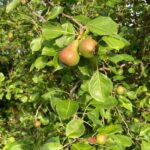
The Blueberry Growers of Indiana 2024 Annual Meeting will be held on Monday, June 17 at Blueberry Ranch (54743 Buckeye Road Mishawaka, IN 46545). The farm tour will begin at 4:00 PM EST. The main part of the meal, along with drinks and paper products will be supplied. Please bring a side dish or dessert…Read more about Blueberry Growers of Indiana Annual Meeting | June 17th Mishawaka, IN[Read More]
Take the Indiana Food Vision survey! https://www.indianafoodvision.org The Indiana Food Vision is for every Hoosier who eats or grows food and who wants to have a voice in shaping our future! Together, we are creating a road map for cultivating a robust, nourishing, and equitable food system where all communities in Indiana thrive. The Indiana…Read more about Indiana Food Vision survey[Read More]
Purdue University prohibits discrimination against any member of the University community on the basis of race, religion, color, sex, age, national origin or ancestry, genetic information, marital status, parental status, sexual orientation, gender identity and expression, disability, or status as a veteran. This material may be available in alternative formats. 1-888-EXT-INFO Disclaimer: Reference to products in this publication is not intended to be an endorsement to the exclusion of others which may have similar uses. Any person using products listed in this publication assumes full responsibility for their use in accordance with current directions of the manufacturer.