
July 25, 2024 Purdue Small Farm Education Field Day REGISTRATION NOW OPEN! Registration closes July 22nd! Attendees, exhibitors, and sponsors register here: Purdue Small Farm Education Field Day 2024 presentations: Insect dynamics in HTs Companion Plants and Syrphid Fly Recruitment High Tunnel Table Grapes Advantages and Considerations of Raised Bed Gardening High Tunnel Sweet Pepper Production…Read more about Purdue Small Farm Education Field Day[Read More]
Found 896 Articles

Purdue Fruit and Vegetable Field Day on July 18, 2024 Registration closes July 12th at midnight! Long Description We are happy to announce that Purdue Extension is presenting its annual Fruit and Vegetable Field Day on July 18, 2024, at the Throckmorton/Meigs Horticulture Farm, Lafayette, IN. Registration is now open! Register here: Purdue Fruit and Vegetable…Read more about Purdue Fruit and Vegetable Field Day[Read More]
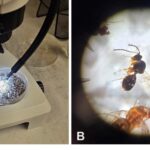
Dear readers, I have never been so excited to sort through trap catch from spotted-wing drosophila (SWD) monitoring traps (Figure 1A) as I have these last few weeks!! And it’s not just because I’m a bug nerd over here, ha! This season, as I’ve been looking through the contents of SWD jar traps, I’ve seen…Read more about Exciting news from Spotted-wing drosophila monitoring traps[Read More]
Tissue analysis is the most reliable means of determining plant nutritional status. Combined with soil testing, tissue analysis can help pinpoint the source of problems and determine what measures may be needed to ensure proper nutrition of the crop. Tissue analysis samples should be collected at the appropriate time to give the most meaningful results….Read more about Tissue Analysis for Grapes & Small Fruit[Read More]
IFTA Summer Tour – California The 2024 International Fruit Tree Association (IFTA) Summer Study Tour will be three full days (July 16-18) in California’s Sacramento-San Joaquin Valley, where current plans are for participants to visit the state’s largest apple packer just as Gala harvest will be starting, as well as new low-chill apples, some of…Read more about IFTA Summer Tour – California[Read More]

June 25 Tuttle Orchards 5717 North 300 West, Greenfield, IN We are pleased to announce that the fruit and vegetable growers will be joining together for a summer field tour being hosted by Tuttle Orchards in Greenfield, IN on June 25. Topics to be covered include fruit production, vegetable production, farm marketing, and agritourism. There’s…Read more about Indiana Horticultural Society Summer Meeting[Read More]

July 25, 2024 Purdue Small Farm Education Field Day REGISTRATION NOW OPEN! Attendees, exhibitors, and sponsors register here: Purdue Small Farm Education Field Day 2024 presentations: Insect dynamics in HTs Companion Plants and Syrphid Fly Recruitment High Tunnel Table Grapes Advantages and Considerations of Raised Bed Gardening High Tunnel Sweet Pepper Production Strategies and Variety Selection…Read more about Purdue Small Farm Education Field Day[Read More]
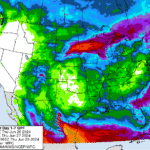
As I write this article, in a cool, air-conditioned office, I hear others talking about how hot it is outside. I see weather app icons showing bold suns that stress how sunny and hot conditions are and will continue to be. I read Special Weather Statements, issued by the National Weather Service, about an extended…Read more about Hot and dry conditions ahead[Read More]
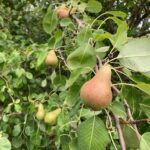
All of our crops at the Meigs Horticulture Farm in Lafayette, Indiana are maturing very nicely. The warm nights have helped fruit size up in the last two weeks. We have seen high thrip populations on all fruit trees, although they don’t seem to be doing much damage. This week the Japanese beetles decided to…Read more about Crop conditions[Read More]
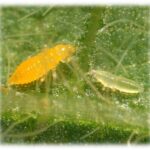
I’m hearing that thrips are throwing many of us for a loop this season! Some of you may know that thrips do not overwinter here in Indiana, so each spring season they migrate up our way on winds blowing up from the south. Sometimes these southern winds occur earlier or later each spring, depending on…Read more about Tips for tackling thrips in your fruit[Read More]
Purdue University prohibits discrimination against any member of the University community on the basis of race, religion, color, sex, age, national origin or ancestry, genetic information, marital status, parental status, sexual orientation, gender identity and expression, disability, or status as a veteran. This material may be available in alternative formats. 1-888-EXT-INFO Disclaimer: Reference to products in this publication is not intended to be an endorsement to the exclusion of others which may have similar uses. Any person using products listed in this publication assumes full responsibility for their use in accordance with current directions of the manufacturer.