
Small Farm Education Field Day July 29th, 2021 at the Purdue Student Farm. Small Farm Education Field Day Webinar Series August 2, 4, 6, 9, 11, 13, 2021. REGISTER TODAY: https://www.purdue.edu/hla/sites/studentfarm/events/
Found 896 Articles
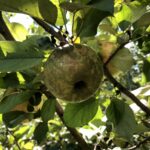
For those of you still fortunately enough to have apples, disease management continues to a greater degree than those of us without a crop. Around now (the beginning of cover sprays), the most serious apple pathogens are generally less active, terminal buds have set, leaves have hardened off (and are now less susceptible) and weather…Read more about Fungicide Use Midseason and On[Read More]
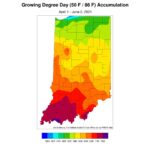
The month of May in Indiana was 2°F-4°F below normal across the state, based upon the new 1991-2020 climatological normals that were released last month. Climatological normals are roughly the 30-year average of weather variables and are updated every 10 years. Prior to the new normals being released, climatologists were using the 1981-2010 period for…Read more about Updated climate normals led to a cooler May[Read More]
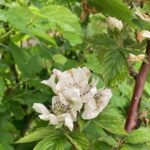
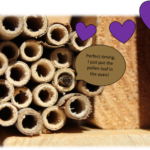
I am a bit late on the topic of bees for fruit pollination, especially tree fruit, but I wonder how many readers use or maintain spring mason bees for pollination of tree fruits? If not for pollination, then perhaps just for fun? (Figure 1). If not, you might consider this for next season! Those who…Read more about Mason bees (for fun!) and fruit pollination, anyone?[Read More]
Small Farm Education Field Day July 29th, 2021 at the Purdue Student Farm. Small Farm Education Field Day Webinar Series August 2, 4, 6, 9, 11, 13, 2021. Watch for details at the Purdue Student Farm website https://www.purdue.edu/hla/sites/studentfarm/

The periodical cicada (Figure 1) emergence is expected to begin shortly. Female cicadas lay eggs in 200+ woody tree species (Figure 2), and they have a strong preference for grapevines, apples, cherries, peaches, & plums. Egg laying can weaken and damage branches, causing them to turn brown, die, and break off. The loss of branches…Read more about Protect your grapevines from cicadas[Read More]
On April 30th, 2021, significant legislation was introduced with bipartisan support in the House, impacting the future of the U.S. organic sector. The bill, titled, Continuous Improvement and Accountability in Organic Standards provides a roadmap for organic through three main areas by: Clearing the backlog of recommendations, and requiring the USDA to issue an Organic Improvement…Read more about Organic Standards[Read More]
2021 BGIN MEETING & FARM TOUR THURSDAY, JUNE 3RD HOSTED BY JOHN NELSON THE BLUEBERRY RANCH 54743 BUCKEYE RD. MISHAWAKA, IN 46545 574 255 5773 Directions: From 80/90 Take exit 83 heading south on Capitol for 2 miles. Turn east onto Douglas for 2.5 miles to Buckeye. Head south for .75 miles to farm. 4 p.m….Read more about 2021 BGIN MEETING & FARM TOUR[Read More]
Purdue University prohibits discrimination against any member of the University community on the basis of race, religion, color, sex, age, national origin or ancestry, genetic information, marital status, parental status, sexual orientation, gender identity and expression, disability, or status as a veteran. This material may be available in alternative formats. 1-888-EXT-INFO Disclaimer: Reference to products in this publication is not intended to be an endorsement to the exclusion of others which may have similar uses. Any person using products listed in this publication assumes full responsibility for their use in accordance with current directions of the manufacturer.