Cleaning and Sanitation Workshop September 8th from 1-5:00PM Purdue Student Farm West Lafayette, IN https://purdue.ca1.qualtrics.com/jfe/form/SV_81blwfocQNWOSYS Indiana Horticulture Conference & Indiana Small Farms Conference March 3-5, 2026 Hendricks County Fairgrounds Danville, IN https://indianahortconference.org/ https://extension.purdue.edu/anr/_teams/dffs/small_farm_conference/index.html
Miranda Purcell

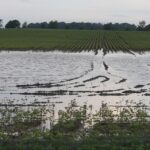
Written by: Devyn Raver, August 4, 2025 The Ag Climate Dashboard offers tools to help monitor extreme weather events in addition to crop growth, pest threats and climate anomalies. (Agricultural Communications) WEST LAFAYETTE, Ind. — The Midwestern Regional Climate Center (MRCC), with support from the United Soybean Board, has launched the Ag Climate Dashboard — a centralized digital hub…Read more about New Ag Climate Dashboard makes climate resources more accessible for Midwest farmers[Read More]

The spotted lanternfly (Lycorma delicatula) was first identified in Indiana in July 2021 in Switzerland County. Since then, populations have spreading rapidly across the state (Figure 1). This is the time of the year that the insects are in their most recognizable adult state (Figure 2). Early detection is crucial to stop the spread. …Read more about Be on the lookout for Spotted Lanternfly![Read More]

The University of Kentucky Center for Crop Diversification (UK CCD) and the Organic Association of Kentucky (OAK) are hosting the Mechanical Weed Control Field Day in partnership with Glacial Drift Enterprises at the University of Kentucky Horticulture Research Farm in Lexington, KY on September 23rd. Tickets are $55 and include lunch. For more information and…Read more about Mechanical Weed Control Field Day- University of Kentucky September 23rd[Read More]
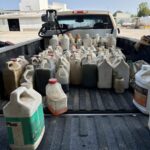
Participate in the 2025 Office of the Indiana State Chemist (OISC) Pesticide Clean Sweep Project, which is designed to collect and dispose of suspended, canceled, banned, usable, opened, unopened or just unwanted pesticides (herbicides, insecticides, rodenticides, fungicides, miticides, etc.). This is a great opportunity to legally dispose of unwanted products for free (up to 250…Read more about Pesticide Clean Sweep August Dates Announced[Read More]

Calling all Midwest Farmers! You are invited to share your farming story and practices. We are conducting interviews as part of the IMPACT²: Social-Ecological Memory in Midwest Agriculture project, a PhD research study at Purdue University. This work explores how memories of past extreme weather events (floods, droughts, storms) influence today’s farming decisions. We are looking…Read more about Share How Your Experiences of Past Extreme Weather Events Influence Present-Day Farming Decisions[Read More]


New Sprayer Technologies & Best Practices: Vineyards & Orchards Tuesday, August 12th Quarry Hill Winery & Orchard Berlin Heights, OH GO.OSU.EDU/SPRAY2025 Indiana Horticulture Conference & Indiana Small Farms Conference March 3-5, 2026 Hendricks County Fairgrounds Danville, IN https://indianahortconference.org/ https://extension.purdue.edu/anr/_teams/dffs/small_farm_conference/index.html
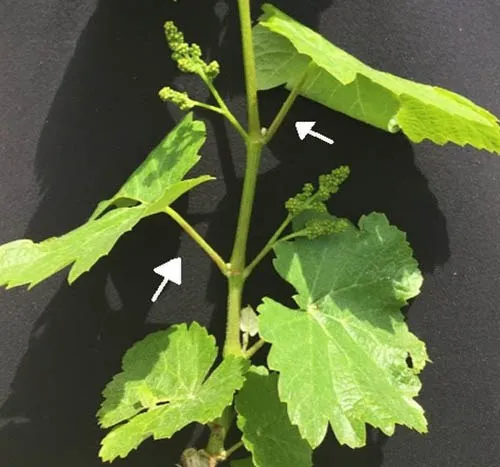
Tissue analysis is the most reliable means of determining plant nutritional status. Combined with soil testing, tissue analysis can help pinpoint the source of problems and determine what measures may be needed to ensure proper nutrition of the crop. Tissue analysis samples should be collected at the appropriate time to give the most meaningful results….Read more about Tissue Analysis for Grapes & Small Fruit[Read More]
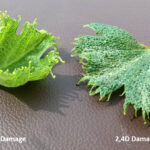
This is the time of year where we receive numerous reports of off-target herbicide exposure. Grapevines and fruit trees sensitive to growth regulator herbicides, including phenoxy, benzoic, and pyridine classes of compounds. 2,4-D and dicamba are the most common products, and they are used widely in corn and soybean production. Damage can range from minimal…Read more about Tips for Avoiding Herbicide Injury[Read More]