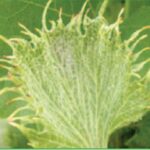
Pesticide Drift Grapes are particularly sensitive to growth regulator herbicides, such as 2,4-D and dicamba, which are widely used in corn and soybean production. These products can injure the vines, significantly reduce yields and contaminate the fruit even at extremely low rates. The most common symptoms of pesticide exposure include distortion of leaves and stunting…Read more about Pesticide Drift- Watch Out For Grapes[Read More]
Miranda Purcell

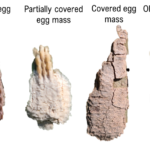
As of March 2022, Indiana has one known county with a confirmed Spotted Lanternfly (SLF) population: Switzerland County (Figure 1). Penn State University has created a SLF egg hatch prediction map that estimates the emergence of the first SLF instar based on temperature conditions (Figure 2). Please note: this map does not show where SLF…Read more about Spotted Lanternfly Nymphs Hatch Begins[Read More]
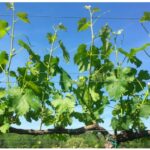
Shoot thinning is a canopy management practice that involves removing shoots in the grapevine canopy to reduce shoot density and help balance vegetative and reproductive growth. Potential benefits of shoot thinning: Improved air circulation Improved sunlight penetration Reduction of disease pressure Increased spray penetration *shoot thinning and positioning not only affects the current season’s growth,…Read more about Timely Management | Shoot Thinning Grapevines[Read More]
2022 Blueberry Growers of Indiana (BGIN) Annual Meeting Thursday, June 2nd Community Bible Church 814 N. Halleck St. DeMotte, IN 46310 5:00 PM (Central Time)- Potluck Dinner, please bring a side dish or dessert to share The BGIN meeting will follow the meal
Participate in the 2022 Office of the Indiana State Chemist (OISC) Pesticide Clean Sweep Project, which is designed to collect and dispose of suspended, canceled, banned, usable, opened, unopened or just unwanted pesticides (herbicides, insecticides, rodenticides, fungicides, miticides, etc.). This is a great opportunity to legally dispose of unwanted products at little or no cost….Read more about 2022 Pesticide Clean Sweep[Read More]
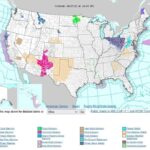
Cold temperatures throughout March and April have led to delays in grapevine phenology ranging from 7-14 days behind normal. Generally speaking, later bud break reduces the risk of spring frost damage. However, warm weather over the weekend has progressed bud development greatly. Buds are in various stages of growth across the state, ranging from bud…Read more about Freeze Warning- Grapevine Susceptibility & Protection[Read More]
Listen to Strawberry Chat Apr. episode, featuring Dr. Bruce Bordelon talking about spring activities for the strawberry matted-row system. Strawberry Chat is hosted by Dr. Wenjing Guan and Miranda Purcell of Purdue University.
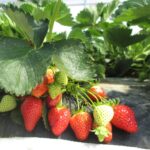
The next strawberry Chat will be on April 6, 12:00-1:00 pm EST. Dr. Bruce Bordelon will be our guest for the April 6 strawberry chat. We will discuss spring activities for the traditional way of growing strawberries, the matted-row system. Dr. Bruce Bordelon will share practical advice on growing strawberries in the matted-row system. You…Read more about Virtual Strawberry Chat April 6th from 12-1:00 PM featuring Dr. Bruce Bordelon[Read More]
Late Spring freezes are becoming more and more common, and it is important to take action to prevent damage to your buds. A practice called double pruning can help avoid spring frost injury. Double pruning involves pruning the canes to 2-3x the desired amount of buds during the winter, which delays budbreak (and the risk…Read more about Double Pruning Grapevines for Spring Frost Protection[Read More]
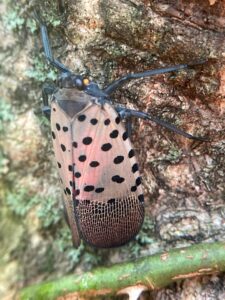
Adapted from IDNR Press release and Purdue Landscape Report The Spotted Lanternfly (SLF) has been found in Indiana A homeowner in Vevay, IN contacted DNR’s Division of Entomology & Plant Pathology (DEPP) last week with a picture of a red immature stage near their home. DEPP staff surveyed the site and discovered an infestation…Read more about Spotted Lanternfly found in Indiana[Read More]