Blueberry Growers of Indiana Spring Meeting and potluck June 9, 2016, 4:00 pm Sider’s Blueberry Farm. 6254 W. 200 North, Rochester, IN. More information will follow. Indiana Winery and Vineyard Association Summer meeting July 19-20, 2016 Brown County Inn. Nashville, IN. More information will follow. Indiana Hort Society Summer Field Day June 22, 2016 David…Read more about Upcoming Events[Read More]
Blueberry
As reported in the last edition of Facts for Fancy Fruit, we achieved biofix in Lafayette on May 9. With a lot of cool weather since then, we have only achieved 170.5 degree days as of May 24. This is a year when monitoring degree days has the potential to greatly improve your levels of…Read more about Codling Moth[Read More]
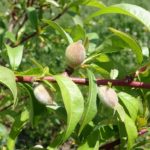
The summer meeting of the Indiana Horticultural Society will be held June 22 at Doud’s Countyline Orchard in Wabash, IN. We will also visit a couple of other farms close to David Doud’s. The final details are still coming together, but I encourage you to mark this date on your calendar and plan to attend….Read more about Hort Society Summer Meeting[Read More]
I achieved biofix today (May 9) in our orchard at the Meigs Farm near Lafayette. I have also talked to other growers who had also caught 3-5 moths or more in their pheromone traps. For me, I had caught one moth last week and caught three more over the weekend. This constitutes a sustained flight and…Read more about Codling Moth[Read More]
The 2016 Midwest Fruit Pest Management Guide (ID-465) is available for purchase from the Purdue Education Store. This publication replaces two previous annual publications: The Midwest Tree Fruit Spray Guide (ID-168) and The Midwest Small Fruit and Grape Spray Guide (ID-169). This guide provides pest management recommendations for commercial tree fruit, small fruit, and grape…Read more about New Fruit Pest Management Guide Available[Read More]

There has been some talk about the use of promalin to help overcome the damaging effects of freezing temperatures. Only a small amount of research has been conducted on this. Dr Steve McArtney showed that promalin applied after damaging freeze events could increase parthenocarpic (seedless) fruit development. Keep in mind this was only shown to…Read more about Frost Recovery Treatments[Read More]
What is the best way to assess bud damage from cold temperatures? Drs. Tara Baugher and Jim Schupp at Penn. State University have put together a nice page with some excellent photos explaining how to assess fruit bud survival: http://extension.psu.edu/plants/tree-fruit/news/2016/assessing-fruit-bud-survival-and-crop-potential I would add that unless you find that more than 90% of your buds have…Read more about Assessing Fruit Bud Survival and Crop Potential[Read More]
Frost and freeze damage was minor in small fruits and grapes. Below is a review of general guidelines for when we expect damage to buds, flowers and fruit. Developmental stage 10% kill (°F) 90% kill (°F) Apples Silver tip 15 2 Green tip 18 10 Half-inch green 23 15 Tight cluster 27 21 Pink 28…Read more about Frost and Freeze Damage Update[Read More]

In southern areas, apples are in pink, but still at tight cluster in more northern areas. Peaches are still in the shuck in the south but only at half-inch green in the northern parts of the state. Grapes are at bud break to one inch shoots in the south, but still in the early to…Read more about Crop Conditions[Read More]