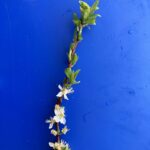
A wet welcome to the growing season from Mother Nature. Weather this year in North Central Indiana has been characteristically dramatic. Recently, highs in the mid 80’s followed by lows in the mid 20’s not 48hrs apart. That with some warmer than average temperatures have landed us in a similarly jump-started spring as last year….Read more about Crop conditions[Read More]
Grapes

Harvest is in full swing. Watermelons are midway through their run, blackberries continue to ripen up, Pixie Crunches and Honeycrisp apples are beginning to ripen. Pawpaws have another week until maturity for most varieties. Many varieties of grapes are reaching full maturity. The cooler weather, although welcome for our comfort, has caused some crops to…Read more about Crop conditions[Read More]
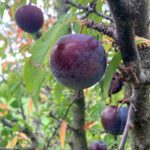
Hi! The peaches have run their course here at Meigs and have all fallen due to the recent storms. Early varieties of grapes are ripe. Most are still at veraison. The first watermelons will be harvested this Thursday! Our primocane fruiting blackberries are just now beginning to ripen. Honeycrisp apples seem to be a week…Read more about Crop conditions[Read More]
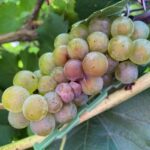
Fruit rots: Late season fruit rots, including sour rot complex, botrytis and ripe rot, are major concerns in the Midwest (Figure 1). Rains this time of the year can lead to disaster. If berries split due to rain, yeasts and bacteria can quickly invade damaged fruit, which can lead to rots that attract fruit flies….Read more about Late season disease management in grapes[Read More]
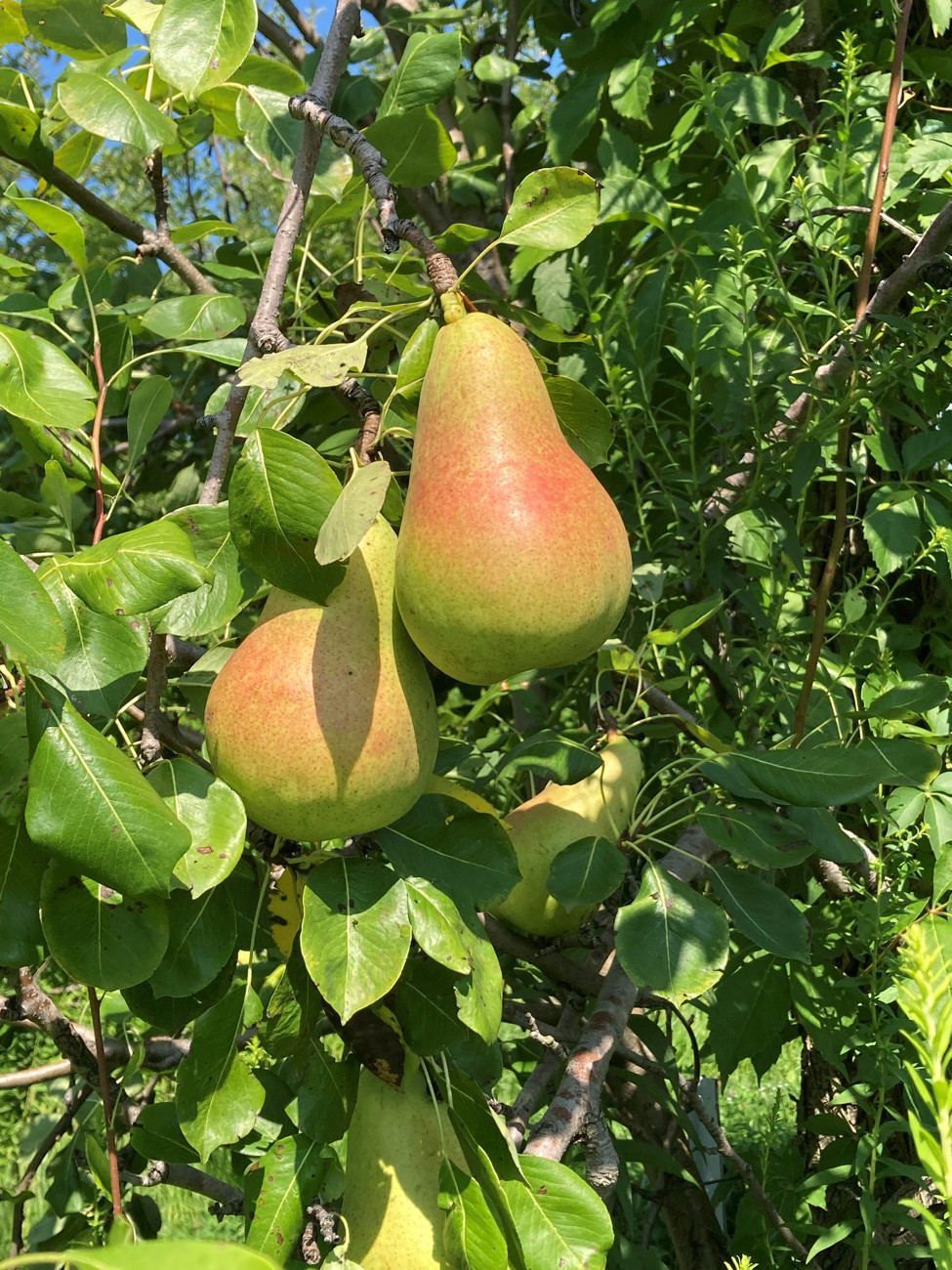
Recent cooler weather has provided relief from July. Despite optimum conditions for fungal and bacterial disease, fireblight pressure has fortunately waned as August progresses. Japanese Beetle numbers have also dropped off dramatically after a second insecticide applied in the second week of July. Blackberries continue to ripen, and will be joined by peaches, plums, early…Read more about Crop conditions[Read More]

Hi. As I’m sure most of you have noticed, the Japanese Beetles have arrived. We have been dealing with them in every fruit crop with the exception of our apples. The blackberries are currently being consumed by them despite a well-timed spray last week. Fire blight continues to show up in our orchard. We are…Read more about Crop conditions[Read More]


New Sprayer Technologies & Best Practices: Vineyards & Orchards Tuesday, August 12th Quarry Hill Winery & Orchard Berlin Heights, OH GO.OSU.EDU/SPRAY2025 Indiana Horticulture Conference & Indiana Small Farms Conference March 3-5, 2026 Hendricks County Fairgrounds Danville, IN https://indianahortconference.org/ https://extension.purdue.edu/anr/_teams/dffs/small_farm_conference/index.html
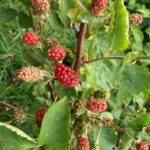
Hi! Small fruits are beginning to ripen here. Raspberries are in full swing, our earliest blackberries have 1 or 2 ripe fruit, and a few plums are ready. Pest wise, we have been seeing damage from moth larva on a few of our plums. Things are going well otherwise. We are continuing to remove trees…Read more about Crop conditions[Read More]
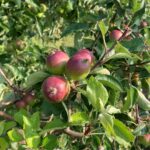
Hello! Fruit crop conditions are good here with the exception of our Rosalee apples. Unfortunately, they are heavily infected with fireblight. We are in the process of removing the affected trees and destroying them offsite. Some of our first raspberries are ripening up. Applications of fungicide, insecticide, and thinning chemical have been made on schedule.