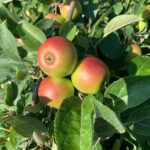
With apples over an inch in size, we traditionally consider that the window for hand thinning has closed. At this point, it’s unlikely we’ll see a thinning response either in terms of fruit size or in flower initiation for next year. But there’s still a good reason to consider some hand thinning. Many in the…Read more about Apple hand thinning[Read More]
Found 896 Articles

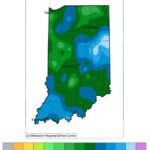
This past weekend brought some much-needed rain to the Hoosier state. Figure 1 shows the total amount that fell from July 13-19, 2022 while Figure 2 puts these amounts into climatological perspective. At least one-half inches fell with some locations reporting well over 4 inches! Was this enough to remove abnormally dry or drought conditions…Read more about Welcomed rain brings some relief[Read More]
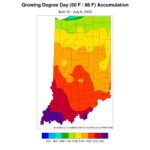
The latest release of the U.S. Drought Monitor has expanded and intensified drought status across Indiana (Figure 1). This map reflects conditions through early this past Tuesday (July 5th) morning, as heavy rainfall was tracking across the northeastern counties. Probabilities of rainfall continue across the state over the next several days, but the challenge is…Read more about Scattered showers bring uncertainty[Read More]
We discussed insect pests and weed control during renovation in this episode. Our special guests are Drs. Stephen Meyers, Samantha Willden, and Mr. David Doud. Steve and Sam are researchers from Purdue. Steve is the weed scientist in the Horticulture department; Sam is a postdoc researcher in the entomology department. David is the owner of…Read more about Strawberry Chat July—Weed Control and Insect Pest Management[Read More]
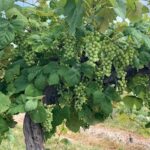

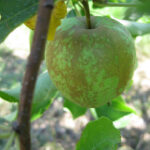
Crop loss in 2020 and 2021 led many growers to greatly reducing their fungicide applications, or use just captan or mancozeb, which, although effective against scab, are not effective against powdery mildew. Coupled with our unusually dry weather, this has led to a build-up of powdery mildew (PM) inoculum, and continued management issues surrounding this…Read more about Powdery Mildew[Read More]
Purdue University prohibits discrimination against any member of the University community on the basis of race, religion, color, sex, age, national origin or ancestry, genetic information, marital status, parental status, sexual orientation, gender identity and expression, disability, or status as a veteran. This material may be available in alternative formats. 1-888-EXT-INFO Disclaimer: Reference to products in this publication is not intended to be an endorsement to the exclusion of others which may have similar uses. Any person using products listed in this publication assumes full responsibility for their use in accordance with current directions of the manufacturer.