ReTain (AVG) is a plant growth regulator that blocks the production of ethylene. When ReTain is applied to apple, several ripening processes are slowed, including preharvest drop, fruit flesh softening, starch disappearance, and red color formation. In order for ReTain to be effective it must be applied well in advance of the climacteric rise in…Read more about Timing Retain Sprays[Read More]
Found 896 Articles
August 4, 2018 Hop Harvesting Workshop Crazy horse Hops, LLC, 8875 S Co. Rd. 925W, Knightstown, IN 46148 Contact afthompson@purdue.edu. Register here: http://bit.ly/hopharvest812018 or call 812-349-2575 August 30, 2018 Small Farm Education Field Day Purdue Daniel Turf Center Contact Lori Jolly-Brown, ljollybr@purdue.edu or 765-494-1296 Register here: http://www.cvent.com/d/hgqx6g September 5, 2018 Greenhouse & Indoor Hydroponics Workshop Purdue University, PFEN 1159…Read more about Upcoming Events[Read More]
Preharvest drop refers to the process where fruit fall from the tree prior to harvest. Not all apple varieties are affected, but with some, such as McIntosh and Pristine, pre-harvest drop can be extreme. Several growth regulator materials are available to growers to help reduce pre-harvest drop. These materials are often referred to as “stop-drop”…Read more about Control Of Preharvest Drop with NAA[Read More]
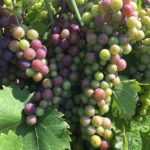
Early grapes are just beginning to soften and color (veraison). Summer raspberry harvest if winding down and fall bearing types are flowering. Blueberry harvest continues. Japanese beetle numbers continue to be relatively high in the Lafayette area. Peach harvest (for those fortunate to have a crop) has begun. Early apple cultivars are approaching harvest.
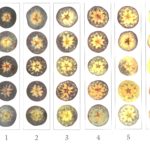
Making the decision on when to harvest can be a very tricky and complicated issue. The longer you intend to store the fruit, the more precise your timing needs to be. For summer apples, most growers only intend to store fruit until their higher quality fall apples come on stream, so storage times beyond a…Read more about Determining Apple Maturity[Read More]
An Indiana Pesticide Clean Sweep Project designed to collect and dispose of suspended, canceled, banned, unusable, opened, unopened or just unwanted pesticides (weed killers, insecticides, rodenticides, fungicides, miticides, etc.) is being sponsored by the Office of Indiana State Chemist (OISC). This disposal service is free of charge up to 250 pounds per participant. Over 250…Read more about Indiana Pesticide Clean Sweep Project[Read More]
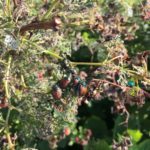
Japanese beetles appear to be especially abundant this year. They started showing up a couple of weeks ago and are now numerous in many areas. This past year Japanese beetle populations were higher than they have been for a number of years and this year looks to be a repeat. We’ve seen severe damage to…Read more about Japanese Beetles[Read More]
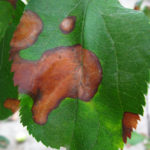
Glomerella leaf blight seems to be rearing its ugly head. Symptoms include lesions with concentric rings in them that can grow together and give the leaf a blighted appearance (Fig. 1). Leaves may yellow and fall off (Fig. 2) and may appear like Golden Delicious necrotic leaf blotch on a variety of apple cultivars (Fig….Read more about Glomerella Leaf Blight[Read More]
Plant nutritional status is important for all phases of plant growth and has a direct effect on vigor, fruitfulness, cold hardiness, and other factors. Tissue analysis is the most reliable means of determining plant nutritional status. Combined with soil testing, tissue analysis can help pinpoint the source of problems and determine what measures may be…Read more about Tissue Analysis for Small Fruit and Grapes[Read More]
July 17-18, 2018 Indiana Winery and Vineyard Association Summer Meeting Brown County Inn, Nashville, IN Contact https://indianawinevine.org/events to register August 30, 2018 Small Farm Education Field Day Purdue Daniel Turf Center Contact Lori Jolly-Brown, ljollybr@purdue.edu or 765-494-1296 Register here: http://www.cvent.com/d/hgqx6g September 5, 2018 Greenhouse & Indoor Hydroponics Workshop Purdue University, PFEN 1159 & Purdue Horticulture Greenhouse Contact Lori Jolly-Brown…Read more about Upcoming Events[Read More]
Purdue University prohibits discrimination against any member of the University community on the basis of race, religion, color, sex, age, national origin or ancestry, genetic information, marital status, parental status, sexual orientation, gender identity and expression, disability, or status as a veteran. This material may be available in alternative formats. 1-888-EXT-INFO Disclaimer: Reference to products in this publication is not intended to be an endorsement to the exclusion of others which may have similar uses. Any person using products listed in this publication assumes full responsibility for their use in accordance with current directions of the manufacturer.