Grapes
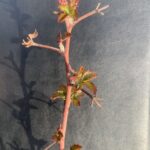

There has been a lot of movement just in the last two weeks. We are seeing a lot of trees about to flower or in full flower. The grapes are swelling and some early varieties are at bud burst. Our field Strawberries are at tight bud or popcorn stage now. The Strawberries in the high…Read more about Crop Conditions[Read More]

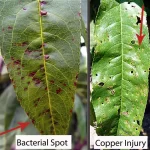
As of right now, we simply do not know if we will have crops from our woody fruit producing plants, from apples to grapes to peaches. Remember: The ability to produce fruit is determined in the spring with flower development. Any factor, whether abiotic, insect or pathogen, that interferes with flower development will impact fruit…Read more about Early season disease management[Read More]
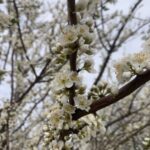
The Purdue Meigs Horticulture Facility in Lafayette, Indiana just south of campus is looking lively this time of the year. All our fruit crops and trees have begun development. I know last year I said we had a warm winter and early spring but this year was much warmer and earlier. I was working fields…Read more about Crop Conditions[Read More]
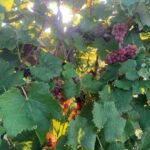
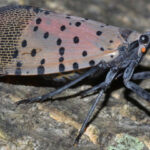
The Spotted Lanternfly is an invasive planthopper native to East Asia. It was introduced to the US in 2014 in Eastern Pennsylvania and has since spread to 13 other states including Indiana. The Spotted Lanternfly has 70+ host species including the invasive Tree of heaven (Alianthus altissma), grapes, apples, stone fruit, vegetables, hops, walnuts and…Read more about Keep an Eye out for Spotted Lanternfly[Read More]
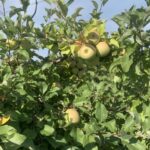
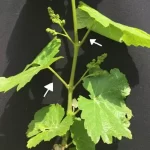
Tissue analysis is the most reliable means of determining plant nutritional status. Combined with soil testing, tissue analysis can help pinpoint the source of problems and determine what measures may be needed to ensure proper nutrition of the crop. Tissue analysis samples should be collected at the appropriate time to give the most meaningful results….Read more about Tissue analysis for grapes and small fruit[Read More]