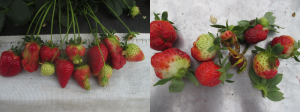
This article discusses the abiotic factors that may cause deformed strawberry fruit. Unevenly developed strawberry fruit (Figure 1): Frost damage is probably the most common abiotic factor causing misshapen strawberry fruit. Temperatures lower than 30°F kill the pistil (female part) of strawberry flowers. Depending on the extent of the injury and the stage of fruit development….Read more about Abiotic Factors may Cause Deformed Strawberry Fruit[Read More]
Crop Management

Small farmers are moving loads of product via online sales. Let’s talk about how, what’s working, and what you need to sell online amid a pandemic. Hoosier Young Farmers Coalition is hosting farmer-to-farmer webinars. Each one will feature a different farmer sharing the tools that are being used to sell online. About these Events You’re…Read more about Let’s Talk (Online) Turkey – Hoosier Young Farmer Coalition announces webinar series[Read More]
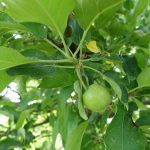
Apple crops are looking dismal around the state. Here in Lafayette we probably have about 20% of a crop, and I’m hearing similar things around the state. With a short crop, growers need to decide whether it’s worth protecting the fruit that are present with a full pesticide program, or writing the crop off and…Read more about Apple crop[Read More]
There’s a saying that when life gives you lemons you make lemonade. Well, this year life has given us multiple spring frosts, so we have to make the best of the situation. Growers that have blocks with significant spring frost injury and very little crop may want to use this year to retrain vines, re-establish…Read more about Making lemonade in the vineyard[Read More]
Spring’s arrival brings many wonderful experiences – including the opportunity for local consumers to pick farm-fresh produce onsite, learn more about local outlets through agritourism and enjoy time outdoors. The U-Pick season, as it’s known, is just around the corner for strawberries, blueberries, cherries and more. Now is the time to implement best practices to…Read more about Guide for U-pick producers / agritourism sites during the COVID-19 pandemic[Read More]
The newest version of the SelectMax® herbicide label includes a change relevant to the state’s fruit growers. Previously limited to applications in non-bearing pome fruit crops, the newest label allows applications to be made to bearing pome fruits. The active ingredient in SelectMax® is clethodim, one of the commonly used grass-selective herbicides. Pome crops covered…Read more about SelectMax® Label Change Allows for Applications in Bearing Pome Fruits[Read More]
Cool, wet weather has complicated thinning decisions. Remember that thinning is all about supply and demand for carbohydrates in the tree. Natural fruit drop occurs when demand is high (many developing fruitlets needing carbohydrates to grow) and supply is limited (small leave area on the tree to supply carbohydrates through photosynthesis). Because of this shortfall…Read more about Chemical thinning of apples[Read More]
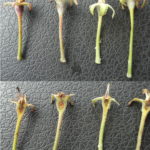
We’re still in May and already it’s been a very challenging year for many growers. Freezing temperatures blanketed much of the state April 15-17 and again more recently on May 9. Damage ranges from moderate to extreme. Even a week after the most recent freeze, damage is still not obvious unless you cut fruit. Fruit…Read more about Freeze damage[Read More]
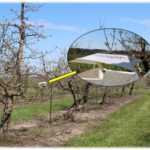
The horticultural entomology team is happy to report that we’re continuing efforts to support Indiana apple growers by monitoring tree fruit pests and reporting what we find! On April 22, 2020, we placed pheromone-baited monitoring traps for two important tree fruit pests, the codling moth and Oriental fruit moth at the Meigs Purdue Agricultural Center…Read more about Ready, Set, Monitor! Traps are set to detect key pests of tree fruit: Codling moth and Oriental fruit moth[Read More]
As we’ve talked about previously, once winter chilling is fulfilled, the rate of tree growth and development is largely dependent on temperature. This is clearly evident in the data over the last 10 years (see Figure 1). In 2012, we had an extremely early and warm spring, rapid accumulation of Growing Degree Days, and very…Read more about Spring temperatures[Read More]