ReTain (AVG) is a plant growth regulator that blocks the production of ethylene. When ReTain is applied to apple, several ripening processes are slowed, including preharvest drop, fruit flesh softening, starch disappearance, and red color formation. In order for ReTain to be effective it must be applied well in advance of the climacteric rise in…Read more about Timing Retain Sprays[Read More]
Found 896 Articles
Preharvest drop refers to the process where fruit fall from the tree prior to harvest. Not all apple varieties are affected, but with some, such as McIntosh and Pristine, pre-harvest drop can be extreme. Several growth regulator materials are available to growers to help reduce pre-harvest drop. These materials are often referred to as “stop-drop”…Read more about Control Of Preharvest Drop with NAA[Read More]
Making the decision on when to harvest can be a very tricky and complicated issue. The longer you intend to store the fruit, the more precise your timing needs to be. For summer apples, most growers only intend to store fruit until their better quality fall apples come on stream, so storage times beyond a…Read more about Determining Apple Maturity[Read More]
Approximately 80 fruit and vegetable growers attended the Society’s summer field day last week hosted by Tuttle Orchards in Greenfield. Thanks go to Ruth-Ann, Thomas, Mike and Helen and all the Roney family and crew who made this event such a success. Those attending also had the opportunity to pause for a moment to remember…Read more about Indiana Hort Society Summer Field Day[Read More]
Meigs High Tunnel Field Day July 18, 2017 10am-1pm Lunch provided! Meigs Horticulture Research Farm 9101 S 100 E Lafayette, IN For more information contact Lori Jolly-Brown at ljollybr@purdue.edu, 765-494-1296 Indiana Winery and Vineyard Association Summer Meeting and Vineyard Tour July 18-19, 2017 Brown County Inn, Nashville IN Butler Winery vineyard tour Contact Eric Harris…Read more about Upcoming Events[Read More]
For those of you who follow me or Peter on Twitter, you know that last week I found SWD larvae in raspberries at the Meigs Farm near Lafayette. Small fruit growers should be into their rigorous spray schedules now. If fruit are ripe or ripening, growers should be spraying approximately every 5 days. The available…Read more about Spotted Wing Drosophila[Read More]
Last year some apple growers reported damage from brown marmorated stink bugs, particularly in the northern counties. BMSB will also attack peaches and other fruit, as well as a number of vegetables. Now is the time that growers should be watching for BMSB and its damage. There are a number of commercially available traps that…Read more about Brown Marmorated Stink Bugs[Read More]
Veraison, the start of the fruit ripening process, signals the final opportunity for effective canopy management and fruit thinning in grapes. Once veraison has started, thinning and canopy management are far less effective in improving overall fruit quality. Growers should assess the need for fruit thinning by evaluating cluster number and size relative to shoot…Read more about Pre-veraison Canopy Management and Fruit Thinning in Grapes[Read More]
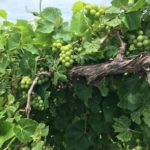
Summer bearing brambles are showing the full extent of the freeze and frost damage from earlier this year. Many floricanes are failing to produce a decent crop. Primocanes are growing well and are initiating flowers now. Early types are beginning to bloom. Grape are at bunch closure with veraison not far away for early varieties….Read more about Crop Conditions[Read More]
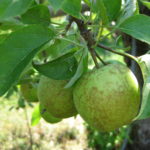
Since 2012, apple powdery mildew(PM) has been part of new normal of apple growing in Indiana. As many of you remember (but would like to forget), 2012 was the year when much of the state lost the crop due to a late season freeze. This was then followed by one of the driest years on…Read more about Powdery Mildew[Read More]
Purdue University prohibits discrimination against any member of the University community on the basis of race, religion, color, sex, age, national origin or ancestry, genetic information, marital status, parental status, sexual orientation, gender identity and expression, disability, or status as a veteran. This material may be available in alternative formats. 1-888-EXT-INFO Disclaimer: Reference to products in this publication is not intended to be an endorsement to the exclusion of others which may have similar uses. Any person using products listed in this publication assumes full responsibility for their use in accordance with current directions of the manufacturer.