Crop Management
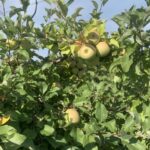
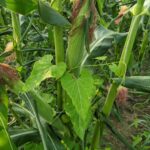
Honeyvine Milkweed What is it? Honeyvine milkweed (Cynachum laeve) is a perennial, deciduous, vining member of the milkweed family, Asclepiadaceae. It is native to the United States and can serve as a host for monarch butterfly larvae. Honeyvine milkweed tends to be more problematic in production systems with reduced or no tillage, including perennial fruits….Read more about Honeyvine Milkweed[Read More]
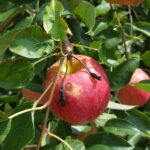
With increasing rains and extremely hot weather, this is a reminder that bitter rot weather is in full swing (along with black rot, white rot, sooty blotch and flyspeck!). Caused by fungi in the genus Colletotrichum, bitter rot thrives during warm, wet conditions, especially weather events that maintain fruit wetness for 8-12 hours, due to…Read more about Bitter Rot[Read More]
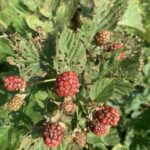
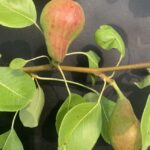
At the Meigs Horticultural facility, we have been busy completing cover sprays and with crop maintenance. The total rainfall at Meigs this June has totaled a half inch. We need rain to help with fruit development. As a result of very little rainfall, we’ve had very little disease pressure. The last harvest of our Strawberries…Read more about Crop Conditions[Read More]
Strawberries are traditionally grown with a matted-row system in Indiana. Plasticulture is relatively new. It brings market opportunities and potentially high income. However, growing strawberries in plasticulture is much more expensive than the matted-row system. Farmers need a good understanding of the system to avoid significant economic loss. In the Strawberry Chat Podcast episodes, you…Read more about Farmers Shared Experiences in Plasticulture Strawberry Production[Read More]
Shoot Thinning The optimum shoot density is 5-6 shoots per foot of row. Thinning to this density can help reduce shading, adjust the crop, lower the risk of disease and improve spray penetration. The optimal time for shoot thinning is before the shoots reach 12 inches. Much of the state is past this point, so…Read more about Grapevine Canopy Management[Read More]
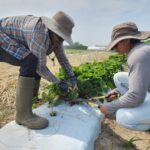
As strawberry harvest winds down, attention turns to strawberry renovation. Renovation consists of mowing existing strawberry foliage (Figure 1) and, in matted row systems, cultivating to reduce row width. When combined with strategic herbicide applications, this can be a great time in the production cycle to catch up on weed management or maintain your level…Read more about Weed Management at Strawberry Renovation[Read More]
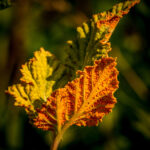
When Neil Young was singing about “Rust Never Sleeps,” I doubt he meant orange rust, caused by the fungus Gymnoconia nitens (formerly Arthuriomyces peckianus). But who knows? Maybe he did? And he’d be right: This rust is definitely not sleeping! Despite unusually dry conditions throughout much of the state, orange rust is still making its presence known…Read more about Orange Rust[Read More]
The harvest season may not have ended yet; it is time to plan for the new planting. This article summarizes options for planting materials and considerations for plasticulture-grown strawberries in the region. Purchasing plug plants Plug plants are like vegetable transplants with actively growing root systems. Plug plants are much easier to establish than bare-root…Read more about Plug? Bare-root? What Other Options for Plasticulture Strawberry Planting? [Read More]